Camping, music festivals, marathons: reasons to own a portable toilet
A portable toilet rarely appears on a shopping list until a long queue, a muddy campsite, or an urgent roadside stop makes the idea feel brilliant. Yet this compact bit of equipment can transform comfort, hygiene, and planning when permanent restrooms are too far away, too crowded, or simply unavailable. For campers, festivalgoers, race organizers, and families traveling with children, it solves a practical problem that tends to arrive without warning. This article looks at why owning one can be useful, what options exist, and how to pick a model that fits real-life needs.
Article Outline
- What a portable toilet is and why it matters beyond emergencies
- How it improves camping, overlanding, and road travel
- Why festivals, marathons, and temporary events depend on restroom access
- Which types, sizes, and features are worth comparing before purchase
- How to clean, store, budget for, and decide whether ownership makes sense
What a Portable Toilet Is and Why It Matters More Than People Expect
A portable toilet is any self-contained or movable toilet system designed for places where fixed plumbing is absent, impractical, or temporarily overwhelmed. That definition covers a surprising range of products. At one end, there are simple bucket-style systems with liners and absorbent waste bags. At the other, there are flushable portable toilets with separate fresh-water and waste tanks, piston or bellows pumps, sealed valves, and carrying handles. Some are made for personal use in cars, tents, and boats, while others are built for crowds and delivered to event sites as rental units. The common thread is simple: they bring restroom access to locations where comfort and hygiene would otherwise depend on luck.
The importance of that convenience becomes obvious in real situations. A portable toilet can spare a family from a midnight walk across a wet campground, help a runner avoid missing a start wave, or allow an event planner to keep thousands of attendees moving instead of waiting in lines. In emergency scenarios, it can also become a serious household backup. Storms, plumbing repairs, power outages, and water restrictions all have a way of turning ordinary routines into awkward problems. When a flush toilet is not available, even for a few hours, a portable solution stops the day from unraveling.
There is also a sanitation angle that should not be overlooked. Human waste management is not just about convenience; it affects cleanliness, odor control, surface contamination, and the user experience of everyone nearby. Portable toilets with sealed waste tanks or secure bag systems help contain waste properly until disposal. That matters at campsites, trailheads, race staging areas, and small outdoor gatherings where improvised solutions can quickly create mess, discomfort, or environmental harm.
People often assume portable toilets are only for rugged outdoor types, but the actual user base is much broader. Common owners include:
- Campers and overlanders
- Festivalgoers staying overnight
- Parents traveling with children
- Boat owners and van travelers
- Event organizers and volunteer groups
- Homeowners hosting large outdoor parties
In other words, this is not niche gear for extreme situations. It is practical equipment for any setting where distance, crowds, weather, timing, or mobility makes restroom access unreliable. Once people experience the difference, they tend to view portable toilets less as an odd extra and more as a useful layer of independence.
Camping, Overlanding, and Road Trips: Comfort When Facilities Disappear
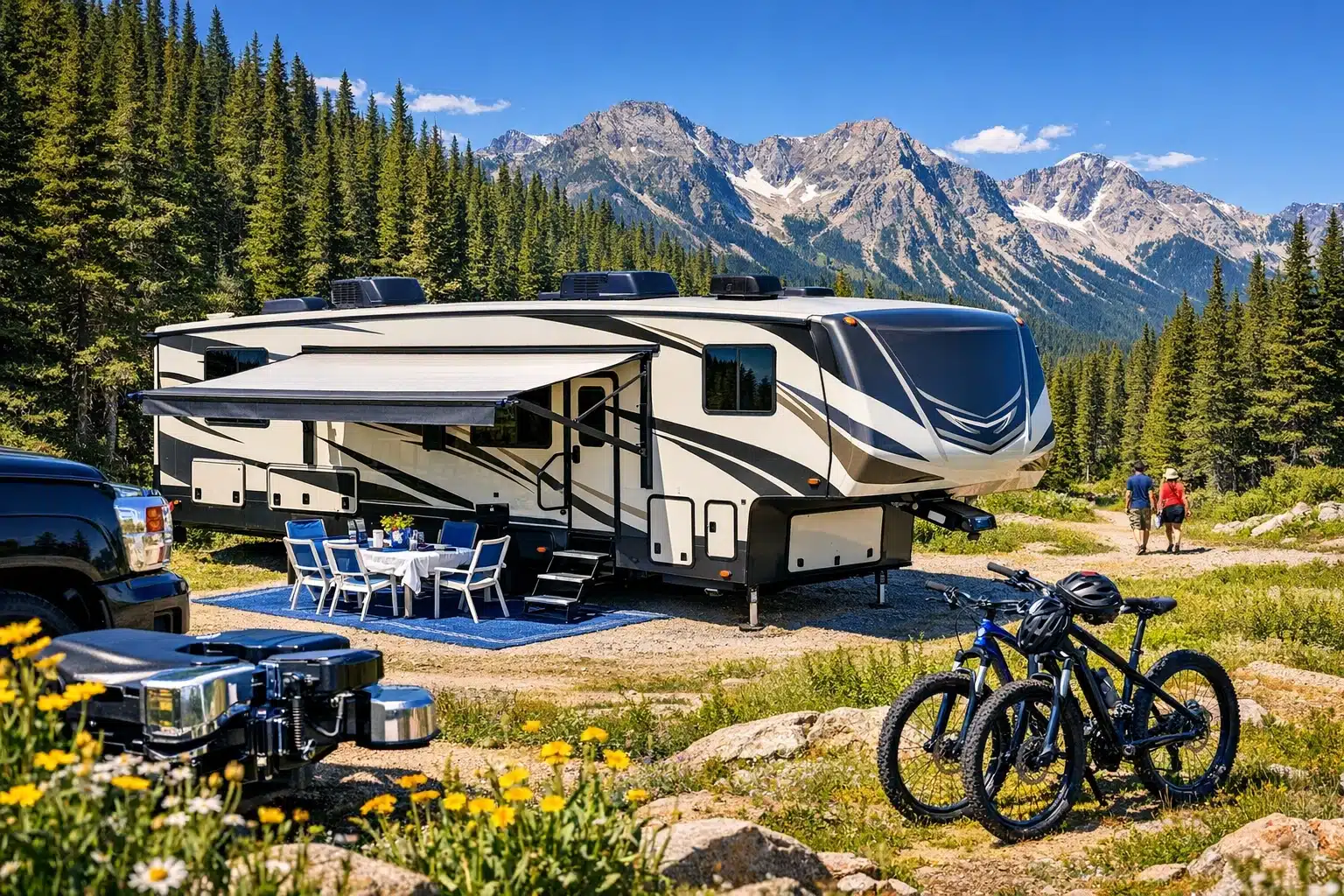
Camping is one of the clearest reasons to own a portable toilet because outdoor travel often combines limited infrastructure with unpredictable timing. Even developed campgrounds may have restrooms that are far from the tent, closed for cleaning, dimly lit at night, or heavily used during busy weekends. In dispersed camping areas, the nearest facility may not exist at all. A portable toilet fills that gap immediately. It gives travelers a private, nearby option that works at dawn, in rain, or during the kind of cold night when even a short walk feels like a full expedition.
The value is especially noticeable for families, older campers, pregnant travelers, and anyone managing mobility issues. A portable toilet near camp reduces physical strain and makes the campsite more inclusive. It can also ease stress for parents with young children, who do not always operate on the schedule of campground infrastructure. When nature calls, children rarely submit a request in advance. Having a toilet nearby turns a frantic moment into a manageable one.
Road trips and overlanding benefit in a similar way. Highway rest areas can be crowded, closed, or simply too far apart. Rural routes may offer beautiful scenery but few services. Van travelers and people towing small trailers often buy portable toilets because they want flexibility without upgrading to a full RV bathroom system. For them, the toilet is less about luxury and more about self-sufficiency. It provides an answer during traffic delays, overnight parking stops, and remote scenic pullouts where facilities are nonexistent.
There is also an environmental argument. In many public lands, waste disposal rules are getting stricter because more visitors are using remote areas. Some places require people to pack out human waste or use approved waste systems rather than digging shallow catholes. A portable toilet can help travelers comply with local rules and Leave No Trace principles. That means less contamination near campsites, trails, and waterways, and a better experience for the next person who arrives.
For camping use, the biggest advantages usually include:
- Privacy close to camp
- Safer nighttime access
- Cleaner waste handling in high-use areas
- Better comfort for families and mixed-age groups
- Greater flexibility in remote destinations
Anyone who has ever sprinted through wet grass in the dark with a flashlight already understands the emotional side of this purchase. A portable toilet may not be glamorous, but on a cold, windy night it can feel like one of the smartest items in camp.
Music Festivals, Marathons, and Temporary Events: Why Portable Toilets Shape the Whole Experience
Large events rise or fall on logistics, and restroom access is one of the most underestimated parts of that equation. People remember the music, the race atmosphere, the food trucks, and the finish-line photos, but they also remember lines. If restrooms are too few, too distant, or poorly maintained, frustration spreads quickly through a crowd. That is why portable toilets are not a side detail at festivals, marathons, fairs, community runs, outdoor weddings, and charity events. They are infrastructure.
At music festivals, the need is obvious. Attendees may spend many hours on-site, and some stay overnight. Permanent facilities, if available, often cannot absorb peak demand before headliners, after meal periods, or first thing in the morning at campgrounds. Additional portable units reduce pressure on the venue and distribute restroom access more evenly. That improves crowd flow and can shorten walking distances across large sites. The result is not just comfort but better time management for attendees, who spend more time participating and less time standing in lines.
Marathons and endurance events have their own restroom rhythms. Demand spikes before the start, at corrals, near parking areas, and around finish zones. Some courses also place units near aid stations or shuttle pickup points. Organizers often work from rules of thumb, such as providing one portable toilet for every 50 to 100 attendees over several hours, then increasing capacity for events with alcohol service, long dwell times, or limited permanent plumbing. Exact numbers vary by venue and local regulation, but the planning principle stays the same: underestimating restroom demand creates bottlenecks that affect the entire event.
Portable toilets also support accessibility and public health when chosen thoughtfully. A good event plan may include:
- Standard units distributed across the site
- ADA-accessible units with proper placement
- Hand-washing or sanitizing stations nearby
- More frequent servicing for multi-day events
- Separate units in VIP, family, or staff zones when needed
Even smaller gatherings benefit. A homeowner hosting a large backyard party or reunion may want one or two portable units to prevent long bathroom lines indoors. Sports clubs, school fields, and volunteer cleanup events often use them for exactly the same reason. When people can stay focused on the event rather than hunting for a toilet, the entire experience feels more organized. That is why portable sanitation is not merely a practical expense; it is part of hospitality, safety, and event reputation.
Comparing Types, Sizes, and Features Before You Buy
Buying a portable toilet is easier when you stop thinking in terms of brand names and start thinking in terms of use cases. The right model for a solo car camper is not the right model for a family of four, a van traveler, or a volunteer team running weekend events. Broadly speaking, portable toilets fall into a few main categories, each with trade-offs in comfort, cost, odor control, and ease of disposal.
The simplest option is a bucket-style toilet with a seat lid and disposable waste bags. These are usually the lightest and cheapest systems. They are easy to store, quick to set up, and popular for emergency kits or occasional camping. Their downside is that comfort can be basic, odor control depends heavily on bag quality and absorbent material, and disposal requires consistent access to approved trash or waste facilities. Folding frame toilets with bag systems offer a similar approach but pack smaller.
Self-contained flush portable toilets are a step up in comfort. They usually include a fresh-water tank for flushing and a separate sealed holding tank for waste. Many common models hold roughly 2.5 to 5.3 gallons in the waste tank, though capacities vary. These units provide a more familiar experience, better odor containment, and a sturdier seat height. They are ideal for family camping, van travel, and repeated use over several days. The trade-off is weight. A full waste tank is not something you forget you are carrying.
Cassette-style toilets, often used in RVs and campers, take the same sealed-tank idea further by integrating the toilet into a compact living space while keeping the waste cassette removable for dumping. For frequent travelers, this can be a very efficient system. For occasional users, it may be more toilet than necessary.
When comparing models, focus on these questions:
- How many people will use it, and for how many days?
- Will you have access to dump stations or only trash disposal?
- Do you need a flush feature or is a dry system enough?
- How important are seat height, stability, and privacy?
- Can you lift and empty the unit comfortably when full?
- Do you want chemicals, enzyme treatments, or bag-based disposal?
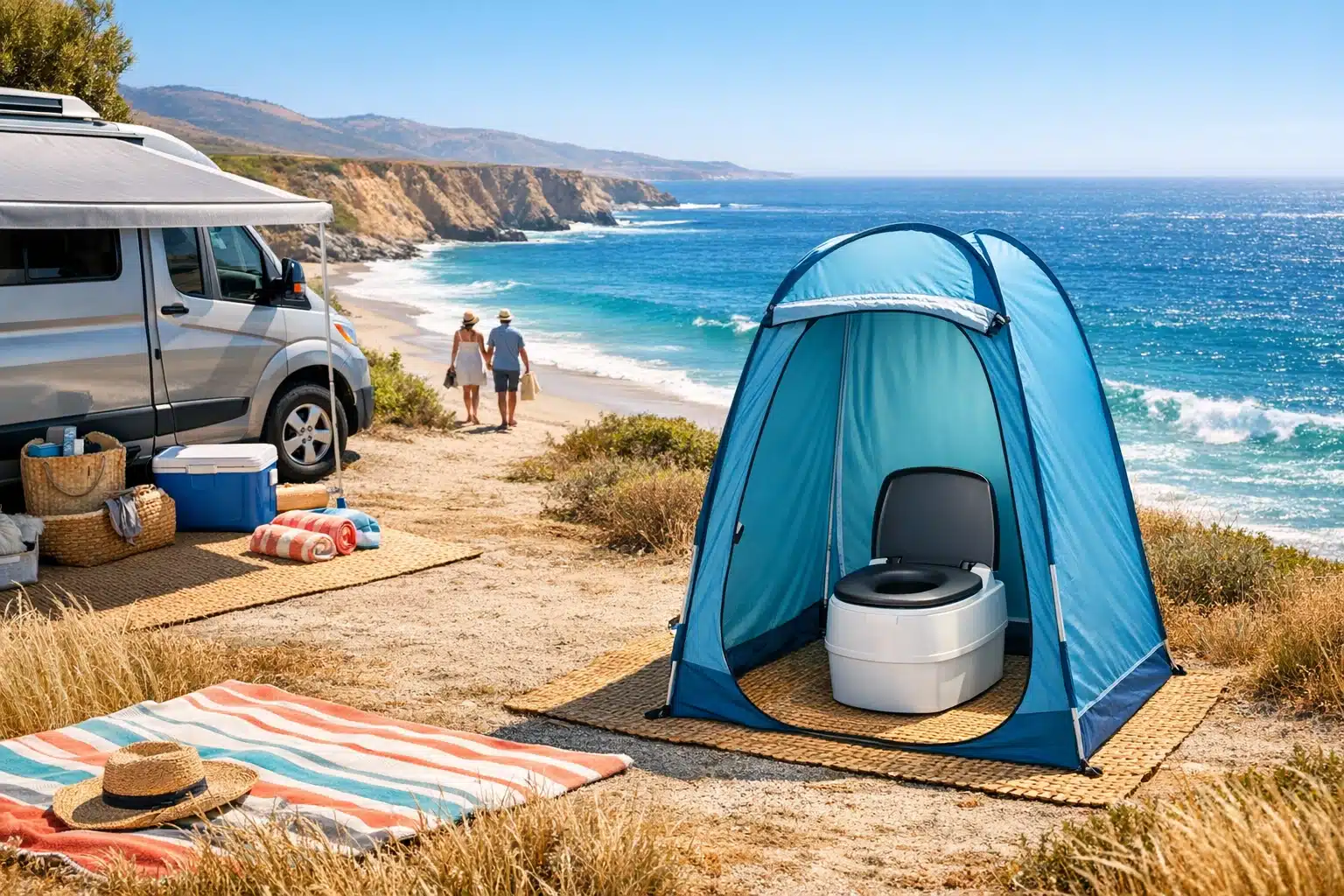
Other useful features include level indicators, splash-resistant spouts, locking valves, side latches, carrying handles, and compatibility with privacy tents. A lower upfront price can be attractive, but a slightly better seal, stronger plastic body, or easier-emptying tank often matters more after repeated use. The best portable toilet is rarely the fanciest one. It is the one that fits your routine, your storage space, and your tolerance for setup and cleanup.
Cleaning, Storage, Cost, and Final Advice for Campers, Organizers, and Frequent Travelers
Ownership only makes sense if the toilet is easy enough to maintain that you will actually keep using it. Fortunately, routine care is usually straightforward. Bag-based systems require the least cleaning because waste is contained in liners, but they do involve ongoing supply costs. Flush units need a little more work. After emptying the waste tank at an approved dump station or designated disposal point, most owners rinse the tank, clean the bowl and seat with a mild cleaner, and let the unit dry before storage. Odor-control liquids or enzyme treatments are commonly used, though product choices vary depending on whether the system is bag-based, cassette-based, or flushable.
Good storage habits matter more than people think. A portable toilet should be kept dry, latched securely, and stored where extreme heat will not damage seals or plastic. Many owners keep it in a dedicated tote with gloves, deodorizer, spare bags, toilet paper, sanitizing wipes, and a small privacy shelter if they camp often. That turns the toilet from a loose item into a ready-to-go kit. It also makes emergency use at home much easier.
Cost is one of the strongest arguments in favor of ownership. Many personal portable toilets are far less expensive than people expect. Simple bag-based models may cost modestly, while sturdier flush units often fall into a mid-range price bracket that is still reasonable compared with other camping gear. Ongoing costs depend on disposal bags, chemicals, water use, and cleaning products. For event-scale needs, rental units are usually more practical than ownership, especially when servicing and transport are included. In that context, the decision is not own versus rent in general, but own for personal use and rent for crowd use.
Who should seriously consider buying one? The answer usually includes:
- Campers who stay in remote or family-oriented sites
- Van travelers and road trippers who value flexibility
- Festivalgoers who camp overnight
- Boaters and cabin users without full plumbing
- Households building an emergency preparedness kit
For these groups, a portable toilet is less about novelty and more about control. It reduces dependence on chance, improves comfort in places where comfort is never guaranteed, and helps manage hygiene responsibly. If your trips, events, or backup plans regularly place you far from a clean bathroom, owning one can be a smart, low-drama upgrade.
Summary for the People Most Likely to Need One
If you camp often, organize outdoor events, travel long distances with family, or simply want a practical backup for uncertain situations, a portable toilet can solve more problems than its plain appearance suggests. The right choice depends on how often you will use it, how many people it must serve, and how you prefer to handle waste disposal. For occasional use, a compact bag system may be enough; for repeated trips and shared use, a sealed flush model is usually worth the extra cost and weight. Either way, the real benefit is freedom: fewer compromises, less discomfort, and a more reliable plan when the nearest restroom is nowhere near where you need it.