Why a Used SUV Is the Best Value for Families: Practicality Meets Affordability
For families trying to stretch a budget without shrinking daily comfort, a used SUV sits in a sweet spot that is hard to ignore. It brings the higher seating position, cargo flexibility, and road-trip calm many households want, while sidestepping the sharp early depreciation that comes with buying new. That makes it relevant in a market where fuel, insurance, and monthly payments all compete for attention. Look closely, and this category feels less like settling and more like buying with purpose.
Outline: This article first explains why used SUVs have become such a strong value choice for families. It then compares sizes, features, and layouts that matter in everyday life. Next, it covers how to inspect a vehicle, review its history, and separate a smart buy from a risky one. After that, it looks at the real cost of ownership beyond the sticker price. Finally, it concludes with practical guidance for families deciding whether a used SUV truly fits their needs.
Why Used SUVs Appeal to Families So Strongly
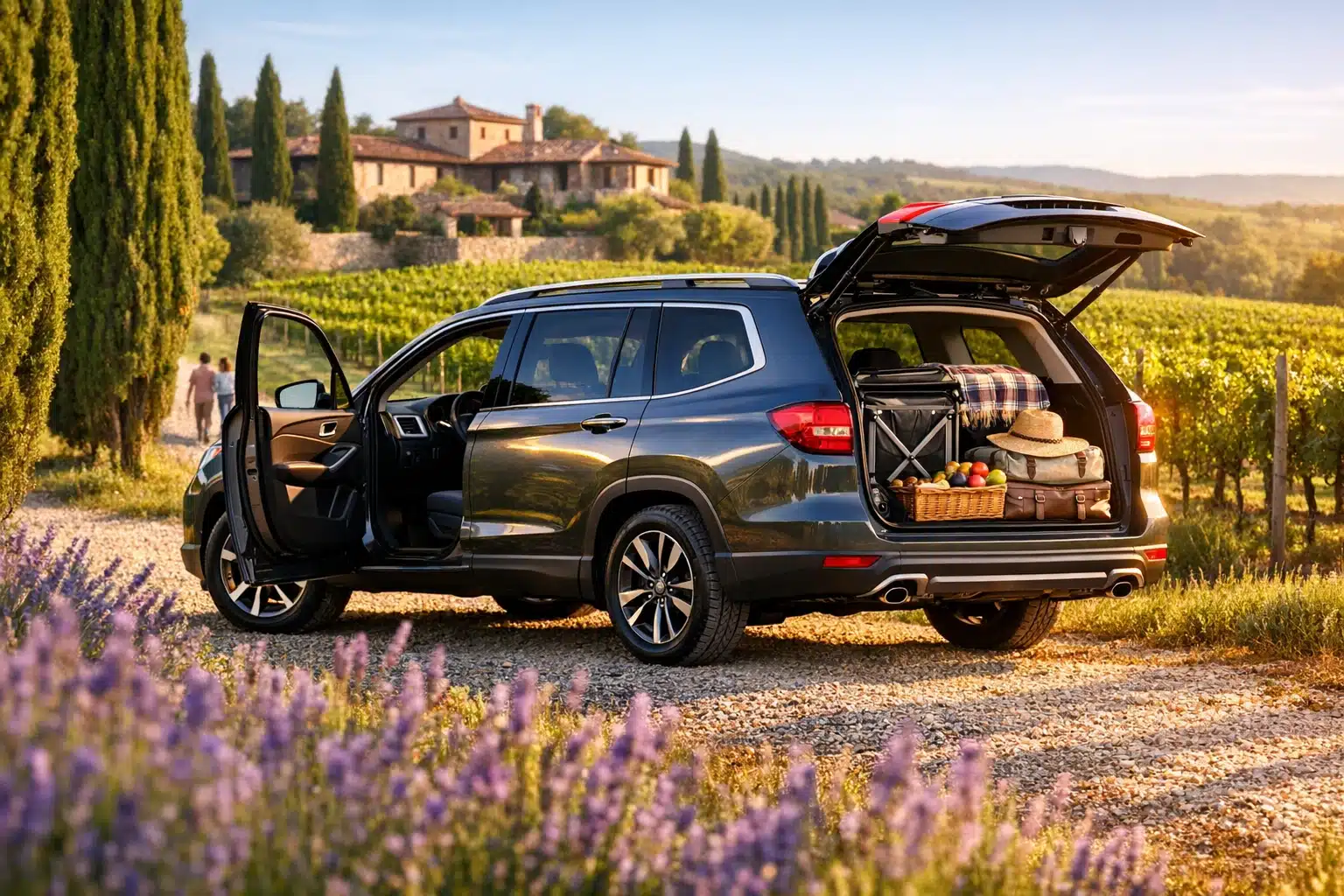
A family vehicle rarely lives an easy life. One day it carries strollers and snack bags, the next it is packed with sports gear, a week’s groceries, and a child who suddenly remembers a school project ten minutes after leaving home. This is where the used SUV earns its reputation. It combines many of the traits buyers like in larger vehicles, such as a commanding seating position and practical cargo room, with a price that is usually far easier to absorb than a brand-new equivalent.
The biggest financial advantage is depreciation. New vehicles often lose value fastest in the first few years, which means the second or third owner can benefit from that drop rather than paying for it. For families, this matters because vehicle spending does not happen in isolation. Childcare, housing, insurance, food, and activities all compete for the same monthly budget. A used SUV can leave breathing room where a new one might create stress.
There is also a day-to-day practicality that smaller cars sometimes struggle to match. Many SUVs offer wide door openings and a taller cabin, which can make loading child seats less awkward. Cargo areas are often more square than those in sedans, so bulky items such as playpens, folded strollers, or flat-pack furniture fit more naturally. Even compact SUVs can feel more accommodating because they use vertical space efficiently.
Compared with a minivan, a used SUV often wins buyers who want family utility without the image or footprint of a larger van. Compared with a sedan, it usually offers easier entry and more flexible storage. Compared with a pickup truck, it keeps passengers better protected from weather and gives the cabin a more family-focused layout.
Some of the most common reasons families choose a pre-owned SUV include:
• lower purchase price than a similar new model
• better cargo flexibility for mixed daily use
• available all-wheel drive for rain, snow, or rural roads
• easier loading for children and gear
• wider choice across model years and trim levels
None of this means every used SUV is automatically a bargain. Some are expensive to repair, thirsty on fuel, or cramped in the third row. Still, the category remains compelling because it addresses a real problem: families need space and versatility, but they also need value. A well-chosen used SUV meets both needs with surprising balance.
Choosing the Right Size, Layout, and Features for Real Family Life
Not all SUVs solve the same problem. Some are city-friendly crossovers built for compact efficiency, while others are large three-row machines designed for big households and long highway miles. The smartest purchase starts with an honest look at how the vehicle will actually be used. A family with one child and mostly urban errands may be happiest in a compact model. A household with three children, grandparents in rotation, or frequent road trips may need something notably larger.
Compact SUVs are often the easiest starting point because they combine manageable dimensions with useful cargo capacity. They are generally easier to park, more fuel-efficient than larger alternatives, and often less expensive to insure. For young families, they can handle strollers, diaper bags, and grocery runs without feeling oversized. The trade-off is rear-seat and cargo-room limits once children grow, sports schedules multiply, or road trips become longer.
Midsize SUVs tend to be the family sweet spot. They usually provide better rear legroom, larger cargo areas, and in many cases an optional third row. That third row deserves special attention: in many midsize models, it works best for children rather than adults. Buyers should test it in person instead of trusting brochure language. If the vehicle will regularly carry six or seven people, a roomy midsize or full-size option may be worth the added running cost.
Full-size SUVs offer serious towing ability, broad cabins, and highway comfort, but they ask more in return. Tires can cost more, fuel bills rise quickly, and maneuvering in tight parking lots becomes less pleasant. They make sense for larger families, trailer owners, or people who truly need the capacity. For everyone else, they can be more vehicle than necessary.
Feature priorities should also be grounded in routine, not wishful thinking. Families commonly benefit from:
• strong crash-test results and a full set of airbags
• automatic emergency braking and blind-spot monitoring where available
• rear-seat air vents and multiple charging ports
• split-folding rear seats for flexible cargo use
• easy-to-clean interior materials
• enough anchors and seat width for the required child-seat setup
One more distinction matters: crossover versus truck-based SUV. Most family buyers are better served by a car-based crossover because it rides more smoothly and usually uses less fuel. Truck-based SUVs have advantages in towing and rougher conditions, but many daily commuters do not need that extra toughness.
In short, the best used SUV is not the biggest one or the most feature-packed one. It is the one that fits the family’s real pattern of life, from school mornings to vacation weekends, without creating needless cost or compromise.
How to Inspect, Test Drive, and Verify a Used SUV Before You Buy
A used SUV can be a clever purchase, but only if the specific vehicle has been cared for properly. This is the stage where good intentions must meet evidence. Attractive photos, polished paint, and a friendly seller can create confidence too quickly. A smart buyer slows the moment down and checks the details that reveal how the vehicle was treated over time.
Start with the history. A vehicle history report can help uncover title problems, major accidents, odometer inconsistencies, or repeated ownership changes. It is not perfect, but it provides a useful first screen. Service records are even better. A stack of oil-change receipts and documented maintenance tells a more reassuring story than a spotless dashboard with no paperwork behind it.
When viewing the SUV in person, inspect it in daylight if possible. Look for uneven panel gaps, mismatched paint, cracked lights, or rust around wheel arches and underbody areas. Check tire wear carefully. Uneven wear can suggest poor alignment, worn suspension parts, or neglected maintenance. Inside the cabin, test every practical feature a family would depend on: air conditioning, seat adjustments, rear doors, power liftgate, infotainment controls, backup camera, and seat-folding mechanisms.
The test drive should cover more than a quick loop around the block. Listen for suspension clunks over bumps, feel for vibrations at highway speed, and notice whether the transmission shifts smoothly. Pay attention to braking behavior, steering response, and visibility. If the SUV has all-wheel drive, ask how it operates and whether recommended service has been completed. Remember that AWD can improve traction, but it does not erase the need for good tires or careful driving.
A practical buyer’s checklist often includes:
• verifying the title and matching the VIN
• checking service history and recall completion
• inspecting tires, brakes, fluids, and warning lights
• testing all seating, climate, and cargo functions
• arranging an independent pre-purchase inspection by a trusted mechanic
That last step is one of the smartest. A mechanic may spot leaks, worn bushings, aging belts, or hidden repairs that a casual buyer would miss. The inspection fee is minor compared with the cost of a transmission issue or deferred maintenance surprise.
Buyers should also compare dealer, certified pre-owned, and private-party options. A private sale may offer the lowest price, but it often comes with less protection. A dealer can be more convenient, while a certified pre-owned SUV may include a limited warranty and inspection process, though usually at a higher upfront cost. The right choice depends on budget, risk tolerance, and how much reassurance matters to the family.
The Real Cost of Ownership: Fuel, Insurance, Repairs, and Long-Term Value
The sale price of a used SUV is only the opening number in a longer equation. Families that focus on the sticker alone can end up buying a vehicle that looks affordable on day one but becomes expensive over the next three years. Smart shopping means thinking in terms of total ownership cost, which includes fuel, insurance, maintenance, tires, financing, registration, and the likelihood of future repairs.
Fuel is often the most visible ongoing cost. Larger SUVs with bigger engines usually consume more than compact crossovers, especially in stop-and-go traffic. Buyers sometimes assume all-wheel drive is essential, but that feature can add weight, complexity, and a small fuel penalty. For households living in mild climates with paved roads, a front-wheel-drive model may offer a better cost balance. For families in snowy regions or on rougher routes, AWD may be worth the extra expense. The important thing is matching the feature to the environment rather than buying it out of habit.
Insurance varies widely based on repair costs, safety ratings, location, driver history, and theft rates. Before committing, it makes sense to get quotes on two or three specific models. A vehicle that is only slightly more expensive to buy can end up far pricier each year if insurance premiums climb. Tire replacement is another expense many people underestimate. Larger wheel sizes can look appealing, but replacement tires often cost more, and low-profile setups may ride more harshly.
Maintenance and repair risk also deserve attention. Some used SUVs have excellent reputations for durability, while others become expensive once mileage rises. This does not mean buyers need a perfect model; it means they should research common problems by model year, not just by nameplate. A dependable generation can be followed by a weaker one, and a strong reputation overall does not guarantee every example was maintained well.
Useful ownership questions include:
• What is the expected fuel economy in real mixed driving?
• Are replacement parts common and reasonably priced?
• Does the vehicle require premium fuel or specialized service?
• How expensive are common wear items such as brakes and tires?
• What is resale demand likely to look like in a few years?
Financing matters too. A slightly cheaper vehicle with a shorter loan term can be healthier for a family budget than stretching a larger loan across too many years. In the end, the best value is not merely the lowest sticker. It is the SUV that delivers the needed space, comfort, and reliability while keeping ongoing costs predictable. Families benefit most when the vehicle fits not just the driveway, but the monthly spreadsheet as well.
Conclusion: Who Benefits Most From a Used SUV and How to Buy With Confidence
For many households, the used SUV hits a practical middle ground that is increasingly hard to find elsewhere. It offers more flexibility than a sedan, often costs less than a comparable new family vehicle, and gives buyers access to safety and convenience features that once belonged only to expensive trims. That combination makes it especially attractive to young parents, growing families, commuters who need cargo room, and budget-conscious buyers who still want a vehicle that feels capable on weekends away.
The best candidate is usually the family that values usable space more than novelty. If the goal is dependable transport for school runs, shopping, visits to relatives, and occasional holidays, a well-researched pre-owned SUV often makes more sense than chasing the smell of a new interior at a much higher price. It can also be a wise step for buyers moving up from a small hatchback or compact sedan that no longer fits real life once child seats, pets, or sports equipment enter the picture.
That said, the right purchase depends on discipline. Buyers should define their needs clearly, compare sizes honestly, research model-year reliability, and insist on inspection and documentation. It is easy to be distracted by oversized wheels, panoramic roofs, or a flashy trim badge. It is much smarter to focus on seat comfort, cargo shape, safety systems, repair history, and whether the vehicle fits the household budget after insurance and fuel are included.
A confident approach looks like this:
• choose the smallest size that comfortably fits the family’s routine
• prioritize condition and maintenance history over cosmetic extras
• compare total ownership cost, not just purchase price
• test child-seat fit, cargo use, and everyday practicality before buying
• leave room in the budget for maintenance after the sale
If that process sounds less glamorous than impulse shopping, that is because it is. But family vehicles are tools for real life, and real life rewards good judgment. When chosen carefully, a used SUV can serve as the steady, uncomplaining workhorse of a busy home: ready for muddy shoes, long drives, surprise errands, and the thousand small tasks that fill a family calendar. For buyers who want practicality without financial overreach, it remains one of the smartest options on the road.