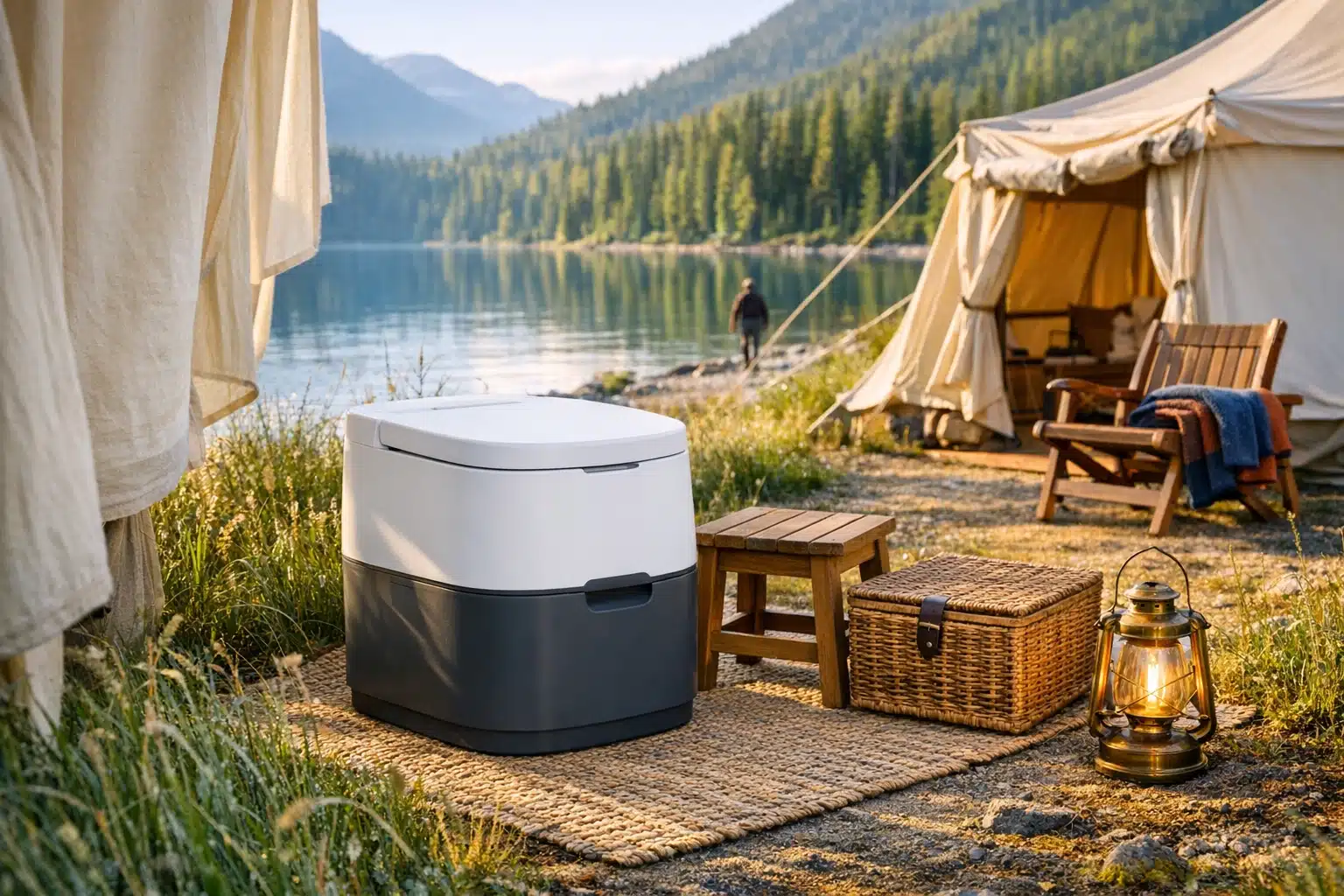
Camping, music festivals, marathons: reasons to own a portable toilet
When a trailhead is miles from the nearest restroom, a festival line snakes through the field, or a marathon route fills city streets before sunrise, sanitation stops being a minor detail and becomes part of the whole experience. A portable toilet offers comfort, privacy, and practical readiness in places where fixed facilities are scarce, crowded, or simply absent. For campers, event organizers, road-trippers, and families preparing for emergencies, it can turn a messy inconvenience into a manageable routine. This guide explains why ownership can make sense, what types exist, how costs compare, and how to choose one that fits real-world use.
Outline:
• Why portable toilets matter in outdoor life, events, and emergency planning
• The main types available and the trade-offs between them
• Situations where owning one is more practical than relying on public facilities
• Key buying factors such as capacity, comfort, portability, and maintenance
• Smart cleaning, disposal, storage, and real-world advice for different users
Why a Portable Toilet Matters Beyond Simple Convenience
People often think of portable toilets as a backup plan, something you deal with only when there is no better choice. In reality, they can improve comfort, hygiene, scheduling, and even safety in ways that become obvious the moment a trip or event gets busy. A crowded music festival, a remote campsite, an all-day youth sports tournament, or a roadside delay can turn a basic human need into a stressful problem. That is where a portable toilet stops being an awkward accessory and starts acting like a practical tool.
For campers, the most obvious advantage is independence. Not every campground has clean facilities, and dispersed camping may have none at all. Walking to a restroom in the dark, in rain, or on uneven ground is inconvenient for almost everyone and especially difficult for children, older adults, or people with mobility limitations. A portable toilet keeps sanitation nearby and predictable. That matters not only for comfort, but also for privacy and confidence. The same logic applies to van travel, boating, tailgating, hunting camps, and long family road trips, where the nearest restroom may be closed, dirty, or simply too far away.
At events, sanitation affects the overall experience more than many people admit. Long restroom lines at festivals and races eat up time, energy, and patience. For participants in endurance events, timing matters. Spectators with young kids or older relatives may not be able to walk several minutes and wait another twenty. Even where rented restroom units are available, owners of portable toilets gain flexibility. A compact unit in a vehicle, tent area, or support station can become the quiet hero of the day.
There is also an emergency-preparedness angle. Power outages, plumbing repairs, storms, and temporary water shutdowns can leave households without working toilets. In those moments, a portable toilet is not a luxury. It is part of a basic sanitation plan, much like stored water, flashlights, or backup cooking gear. Public health agencies regularly stress the importance of safe waste management after disasters because contamination spreads quickly when sanitation breaks down. A sealed portable unit helps reduce that risk.
Its value comes down to four recurring benefits:
• reliability when permanent facilities are missing
• cleaner and more private use in high-traffic environments
• less disruption for families, crews, and event participants
• greater readiness for travel problems and home emergencies
That combination explains why more people now see portable toilets not as odd equipment, but as sensible infrastructure on a smaller scale. Much like a headlamp or a water filter, it solves a problem before the problem turns memorable for all the wrong reasons.
Types of Portable Toilets and How They Compare
Portable toilets are not one single product category. They range from very simple emergency options to more advanced units designed for repeated use over many days. Choosing the right type starts with understanding how each design handles waste, odor, portability, and cleanup. The best model for a marathon support vehicle is not necessarily the best one for a family campsite or a weekend fishing cabin.
The simplest option is the bag-based or bucket-style toilet. These systems are lightweight, low-cost, and easy to store. Some use a folding frame with disposable waste bags, while others use a lidded bucket and absorbent liners. Their strengths are clear: minimal setup, low weight, and suitability for emergencies or occasional use. They are popular with car campers, preparedness-minded households, and drivers who want a just-in-case solution in the trunk. The main trade-offs are comfort, odor control, and the need to replace liners regularly. They are practical, but not luxurious.
Flush-style portable toilets are a step up in user experience. These units usually have two separate tanks: a freshwater tank for flushing and a sealed holding tank for waste. Many models have a piston or bellows flush, a toilet-seat form factor, and carrying handles. They are common in RVs, boats, and family camping setups because they feel more like a standard toilet. Depending on size, they may offer roughly 50 to 100 flushes before the waste tank needs emptying. In exchange for that comfort, they weigh more, cost more, and require more thorough cleaning.
Cassette toilets are closely related to flush models, though the term is often used for systems integrated into campers and vans with removable waste cassettes. They are convenient for frequent travel and repeated use, but ownership often makes the most sense for vehicle-based adventurers who already have room for one.
Composting toilets sit in a separate category. They are generally larger, more expensive, and better suited to cabins, tiny homes, boats, and some off-grid setups than to casual event use. Their appeal lies in reduced water use and a different waste-handling method, but they require users to understand ventilation, moisture control, and maintenance. They are excellent for the right situation, though less plug-and-play than smaller portable units.
When comparing types, it helps to think in terms of use case:
• Emergency backup: bag systems and bucket toilets are affordable and compact
• Weekend camping: flush-style units balance comfort and transportability
• Van or boat travel: cassette systems integrate well with mobile living
• Semi-permanent off-grid use: composting toilets offer long-term potential
No model is perfect for every situation. A hiker will care about weight and packability. A parent will prioritize stability, seat height, and easy cleaning. An event organizer may focus on speed, capacity, and how many users a unit can realistically support. In other words, the right portable toilet is less about the most features and more about the best fit. The real comparison is not only between products, but between expectations.
Camping, Festivals, Marathons, and Emergencies: When Ownership Pays Off
There is a big difference between using a portable toilet once and owning one for the situations that keep coming back. Ownership starts to make financial and practical sense when a person or family spends regular time outdoors, attends large events, supports sports activities, or wants a backup plan at home. It is a classic example of a modest purchase solving the same problem again and again, each time with a little less hassle.
Camping is perhaps the clearest case. Campgrounds vary widely in restroom quality, and remote sites may offer none at all. A personal unit gives you control over cleanliness and access. Parents notice this quickly, because children rarely announce bathroom needs at convenient moments. Nighttime walks to a shared facility, especially in bad weather, lose their charm almost instantly. Older campers and people managing medical needs often find portable toilets even more valuable because they reduce strain and uncertainty. What looks like a convenience on paper can feel like dignity in practice.
Music festivals create a different kind of problem: scale. A field packed with thousands of people can turn even well-planned sanitation into a queue. Public units may be overused by late afternoon, and access can mean missing part of a performance or trudging across muddy ground. For campers staying on-site, a portable toilet placed in a privacy tent can dramatically improve the experience. It is not glamorous, but neither is waiting in line while your favorite set starts. Sometimes the smartest gear is the least photogenic.
Marathons, triathlons, cycling events, and community races also highlight the value of ownership. Large events often provide portable restrooms, yet runners, volunteers, and spectators tend to cluster in the same high-demand areas. Support crews traveling with athletes may keep a compact portable toilet in a vehicle as part of a broader logistics kit. That makes sense when time matters and public access is uncertain. The same logic applies to youth tournaments, outdoor markets, long parade routes, and all-day field events.
Emergency preparedness may be the most overlooked reason to own one. Plumbing repairs, frozen pipes, water outages, storms, and evacuation scenarios all disrupt normal sanitation. During these moments, stores can sell out of emergency supplies quickly. A portable toilet already stored at home gives immediate backup without last-minute scrambling. For apartment residents, suburban households, and rural properties alike, that readiness can be genuinely useful.
Ownership often pays off when you can say yes to several of these points:
• you camp or road-trip more than a few times a year
• you regularly attend crowded outdoor events
• your household includes children, older adults, or people with limited mobility
• you want a sanitation option for power, plumbing, or weather-related disruptions
• you prefer controlling cleanliness instead of depending on whatever is available
In short, buying a portable toilet is less about expecting disaster and more about removing friction from real life. It saves time, reduces stress, and makes tough environments easier to navigate. That is why so many owners end up thinking the same thing after using one a few times: this turned out to be more useful than expected.
What to Look for Before You Buy
Shopping for a portable toilet is easier when you ignore flashy marketing and focus on the conditions in which the unit will actually be used. A good buying decision comes from matching design to context: how many people will use it, how often, where it will be stored, how far it must be carried, and how comfortable users need it to feel. The most expensive option is not automatically the smartest one, and the smallest unit is not always the most portable once it is full.
Capacity should be your first filter. Freshwater and waste-tank size affect how long the unit can operate before it needs servicing. A smaller tank may work well for solo travel or occasional emergency use, while a family at a campsite will appreciate a larger holding tank. Many common portable toilets fall in the range of about 2.5 to 5 gallons for fresh water and 4 to 6 gallons for waste, though models vary. Larger tanks reduce emptying frequency but increase weight. That means you should think not only about use, but also about who will carry the toilet to a dump station or disposal point.
Comfort matters more than many buyers expect. Seat height, width, and stability can make a huge difference. A compact unit may save trunk space, yet a seat that feels too low or too narrow can be frustrating over a long weekend. Adults, children, and older users may all have different needs. If several people will use the same toilet, prioritize a sturdy base and a seat shape that feels familiar. A secure lid and splash-resistant design are also worth paying for.
Odor control and sealing are essential. Better units have tight-closing valves, durable gaskets, and designs that separate flushing water from waste. Some use chemicals or deodorizing treatments formulated for portable sanitation systems. If you prefer lower-chemical routines, look into compatible enzyme or biodegradable options, but always confirm that they suit the product and disposal rules in your area. Poor sealing can turn a useful purchase into one you avoid using.
Key buying factors include:
• capacity and expected number of users
• empty weight versus full weight
• seat comfort and overall stability
• ease of carrying, pouring, and rinsing
• odor control, seals, and venting
• availability of replacement parts and compatible treatments
• storage space at home, in a vehicle, or in a tent setup
Think about accessories as well. A privacy shelter, absorbent liners, toilet paper made for RV or portable systems, gloves, cleaning spray, and a dedicated storage bin can improve the whole setup. If the toilet will live in a car or van, measure the space first. If it is for emergency storage, choose a unit you can set up quickly without hunting for missing components.
The best purchase is usually the one that blends into your routine. It should be easy to move, easy to clean, and easy to trust. If a model feels too complicated, too unstable, or too heavy for the people who will use it, it is probably the wrong one, no matter how impressive the product page looks.
Smart Use, Cleaning, and Final Advice for Real-World Owners
A portable toilet is only as good as the habits that surround it. Smart use begins with placement. On a campsite, choose level ground and, if possible, a privacy shelter or stable enclosed area. At events, keep the unit accessible but discreet, and avoid direct sun when practical because heat can intensify odor. In a vehicle setup, secure the toilet during transport so it cannot tip or slide. These details sound small, yet they shape whether the toilet feels like a reliable tool or a constant nuisance.
Cleaning and disposal should never be an afterthought. Waste needs to be emptied only at approved disposal points or into systems permitted by local guidance. That may include RV dump stations, designated restroom facilities, or other legal sanitation connections depending on the model. Never empty waste on the ground, near waterways, or into places not intended for sewage. A regular cleaning routine helps with hygiene and extends the product’s lifespan. After emptying, rinse the tank thoroughly, clean contact surfaces, and allow components to dry as recommended by the manufacturer. Use gloves, wash hands carefully, and store cleaning supplies in a dedicated kit.
Odor management improves when owners do a few basic things consistently:
• avoid overfilling the waste tank
• use the recommended treatment products and water amounts
• keep seals clean so they close properly
• empty the unit promptly after heavy use
• store it dry and ventilated when not in service
It is also worth practicing before you need it in an important moment. Set the toilet up at home, test the latch and flush, learn how the tank detaches, and figure out how you will carry it when full. That small rehearsal removes uncertainty later, whether you are arriving at a campsite after dark or dealing with a sudden plumbing shutdown. Confidence comes from familiarity, not from reading the box in a parking lot.
For the target audience of this topic, the core message is straightforward. If you camp regularly, travel with children, attend long outdoor events, organize community activities, support athletes, or want a practical emergency backup at home, owning a portable toilet can be a sensible upgrade. It is not about luxury or novelty. It is about making time outdoors and time away from standard facilities easier to manage. The best units offer privacy, reduce dependence on unpredictable public restrooms, and help families and groups stay comfortable in places where comfort is otherwise scarce.
In the end, a portable toilet earns its place the same way any useful gear does: by quietly solving a recurring problem. It may not be the item people brag about buying, but it is often the one they are most relieved to have brought. For anyone who values preparedness, convenience, and a smoother experience in the field, on the road, or at crowded events, that is reason enough.