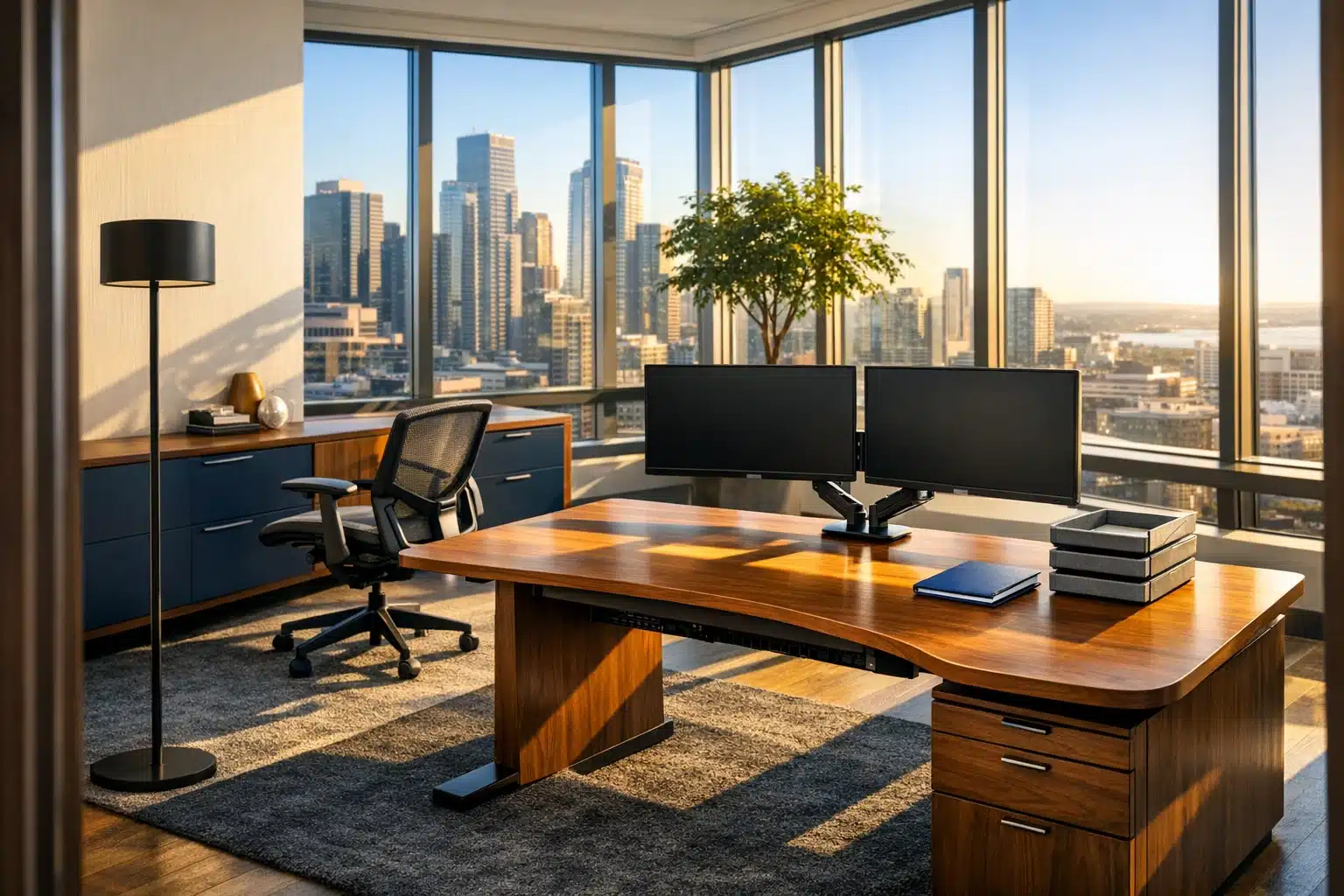
Office Furniture Guide: Choosing Desks, Chairs, and Storage
Introduction and Article Outline
Walk into any office and the furniture starts telling a story before anyone speaks. A cramped desk hints at rushed decisions, a well-fitted chair suggests care for long hours of work, and smart storage quietly keeps the day from sliding into clutter. Office furniture matters because it influences posture, movement, concentration, collaboration, and even brand perception. Choosing well means balancing comfort, durability, appearance, and budget in a way that supports real work rather than showroom fantasy.
That balance has become more important as the modern workplace has split into several versions of itself. Some people work from a spare bedroom, some from a shared startup floor, and some from corporate offices designed for hybrid schedules. In each case, furniture has to do more than look tidy in a catalog. It must support technology, fit the space, and hold up under repeated use. A desk that feels generous in a showroom can become awkward once monitors, laptops, notebooks, and cables arrive. A stylish chair may lose its appeal quickly if its seat depth, lumbar support, or arm position does not match the user.
This article begins with a practical outline and then moves into detailed comparisons so buyers can understand what matters most before spending money.
- How to choose desks based on work style, dimensions, materials, and flexibility
- What separates a supportive office chair from a merely attractive one
- Why storage systems affect productivity, privacy, and room layout
- How to think about budgets, long-term value, warranties, and sustainability
- Which priorities matter most for home offices, small businesses, and larger teams
A useful way to think about office furniture is to treat it like infrastructure rather than decoration. People notice finishes and colors first, but daily success often comes from invisible details: stable frames, smooth drawer slides, cable management, lockable compartments, adjustable arms, and surfaces that resist scratches or stains. Good furniture reduces friction. It shortens the time spent looking for documents, lowers the annoyance of tangled cords, and helps employees settle into their tasks without constantly shifting around to find a tolerable position.
There is also a financial angle. Replacing poorly chosen furniture can cost more than buying carefully the first time. When organizations grow, mismatched pieces create layout problems, inconsistent aesthetics, and maintenance headaches. Even for a single user at home, the wrong setup can waste precious square footage. The sections below turn these broad ideas into practical guidance, starting with the piece most people build their workspace around: the desk.
Choosing the Right Desk: Size, Function, and Material Matter
The desk is the anchor of most office setups, yet it is often chosen too quickly. Buyers tend to focus on width and finish, but a desk succeeds or fails based on how well it supports the actual work being done there. Someone who uses one laptop and a notebook can function comfortably on a smaller surface than a designer with dual monitors, a keyboard, a tablet, and paper references spread like a miniature command center. Before comparing models, it helps to list daily tasks and equipment. That simple step prevents the classic mistake of buying a desk that looks sleek but feels undersized within a week.
Desk dimensions are a practical starting point. Standard desk height is usually around 28 to 30 inches, which suits many adults, though keyboard trays or adjustable chairs can fine-tune comfort. Depth often matters more than buyers expect. A 24-inch-deep desk may work for light computer use, but 30 inches often provides better viewing distance for larger monitors and leaves room for documents. Width should reflect workflow, not vanity. A compact 42-inch desk can be excellent in a small home office, while a 60- to 72-inch surface is often more suitable for multitasking or shared equipment.
Different desk types also suit different environments:
- Fixed-height desks are simple, stable, and usually more affordable.
- Sit-stand desks add flexibility and can help users vary posture throughout the day.
- L-shaped desks make strong use of corners and support task zoning.
- Bench desks work well in open-plan offices where multiple users need consistent layouts.
- Executive desks offer larger surfaces and a formal look, though they require generous space.
Material choice influences both lifespan and appearance. Laminate is popular because it is cost-effective, easy to clean, and available in many finishes. Veneer provides a more furniture-like appearance, though it usually comes at a higher price and can require more careful maintenance. Solid wood can look warm and substantial, but it is heavy, often expensive, and may move slightly with humidity. Metal frames improve rigidity, especially on sit-stand models, where wobble can become noticeable at taller settings.
Look beyond the desktop itself. Cable ports, under-desk trays, modesty panels, drawer pedestals, and monitor arm compatibility can make a major difference in everyday use. In shared offices, desks with integrated power access reduce cable clutter and support hot-desking. In home offices, compact desks with built-in storage can save space. The best desk is rarely the most dramatic one in the room. It is the one that quietly fits the user, supports equipment, and still feels practical months after installation.
Office Chairs: Ergonomics, Adjustability, and Long-Term Comfort
If the desk is the stage, the chair is the performer that has to deliver all day. Few office purchases affect daily comfort as directly as seating, which is why an office chair deserves more attention than color swatches and showroom first impressions. Many buyers sit in a chair for three minutes, decide it feels soft, and call the decision finished. That approach misses what matters most: how the chair behaves after hours of typing, leaning, reaching, and shifting between focused work and conversation.
A good office chair does not need to look futuristic, but it should offer meaningful adjustability. Seat height is essential because feet should rest flat on the floor or on a footrest, with knees at a comfortable angle. Many task chairs provide a seat height range around 16 to 21 inches, which suits a broad range of users. Lumbar support is another key feature. Some chairs have fixed support built into the backrest, while others offer adjustable depth or height. Adjustable armrests help reduce strain during keyboard and mouse work, especially when they move up, down, inward, or outward. Tilt tension and recline lock settings also matter because they let users alternate between upright task posture and a more relaxed position when reading or thinking.
Common chair categories each serve different needs:
- Task chairs are the standard choice for individual desk work and usually offer the most adjustments.
- Conference chairs prioritize shorter meetings and a cleaner, more uniform appearance.
- Drafting stools are useful at elevated workstations, though they need foot support and careful fit.
- Lounge chairs suit informal collaboration spaces rather than keyboard-heavy tasks.
Material choices affect heat, feel, and maintenance. Mesh backs are often appreciated in warmer environments because they allow airflow and can feel lighter visually in compact rooms. Upholstered foam seats can feel softer and more substantial, though fabric type influences durability and cleaning difficulty. Leather and faux leather create a polished look, especially in executive or client-facing settings, but they may feel warmer over long sessions and can show wear differently over time.
There is also a larger truth worth stating plainly: even an excellent chair cannot compensate for poor setup habits. Monitor height, desk height, keyboard placement, and breaks from sitting all play a role in comfort. Still, a well-chosen chair gives users the tools to sit more naturally and adjust throughout the day. For organizations, that matters because poorly fitted chairs can lead to complaints, inconsistent workstations, and costly replacement cycles. For home workers, it matters because one chair may carry the full burden of every meeting, report, spreadsheet, and late-night deadline. Choose the chair like it will become part of your routine, because it will.
Storage Solutions and Workspace Flow: More Than Cabinets and Drawers
Storage is often treated like the least exciting part of office furniture, yet it quietly determines whether a workplace feels efficient or chaotic. A beautiful desk paired with inadequate storage can become a stage for stacks of paper, tangled chargers, misplaced supplies, and the low-grade frustration of always searching for something. Storage works best when it is planned in relation to workflow. In other words, the right question is not only “How much can this cabinet hold?” but also “What needs to stay within reach, what should be secured, and what can be shared?”
There are several major storage categories, each with a distinct role. Mobile pedestals fit under or beside desks and are useful for personal items, stationery, and a modest amount of filing. Lateral filing cabinets are popular because they store documents efficiently and often present a lower, wider profile than vertical files. Bookcases and open shelving make reference materials accessible and can soften the look of a room, though they also expose clutter if not maintained. Credenzas provide a broader surface plus concealed storage, making them helpful in executive offices, conference rooms, or reception-adjacent spaces. Lockers and personal storage towers are increasingly relevant in hybrid workplaces where employees do not occupy the same desk every day.
When planning storage, it helps to think in layers:
- Daily access storage for pens, notebooks, chargers, and active files
- Weekly access storage for project materials, backup equipment, and supplies
- Archive storage for records that must be retained but rarely handled
- Secure storage for confidential files, devices, or personal belongings
The layout impact is significant. Too many storage units around each workstation can make the office feel crowded and reduce movement paths. Too little personal storage can leave staff feeling displaced, especially in shared environments. A centralized storage approach often works well in collaborative offices, while home offices may benefit from furniture that combines open and closed storage in one footprint. For instance, a desk paired with one mobile pedestal and one wall-mounted shelf can keep essentials close without consuming the entire room.
Storage also influences visual calm. Closed cabinets hide the noise of office life, while open shelves can be used selectively for books, binders, or decorative elements that humanize the space. In client-facing offices, organized storage reinforces professionalism. In creative studios, flexible shelving can support changing project needs. Think of storage as the backstage crew of the office: rarely applauded, always essential, and painfully noticeable when missing. A well-planned storage system does not merely hold objects; it protects focus, supports privacy, and gives the workspace a sense of order that people feel immediately.
Buying Smart: Budget, Durability, Style, and Final Advice for Office Buyers
Once desks, chairs, and storage categories are understood, the next step is making decisions that stand up financially and practically over time. Office furniture is one of those purchases where the cheapest option can become expensive in slow, frustrating ways. A bargain desk may chip quickly, a low-cost chair may lose support after a year, and poorly designed storage may need replacing once the team grows. That does not mean every buyer should choose premium products. It means the decision should account for total cost of ownership rather than only the invoice at checkout.
Total value includes several factors beyond price:
- Expected lifespan under real usage conditions
- Warranty length and what the warranty actually covers
- Ease of assembly, installation, and future reconfiguration
- Availability of replacement parts such as casters, arms, or drawer hardware
- Cleaning requirements and resistance to scratches, stains, and daily wear
For businesses, scalability matters. A company furnishing ten desks today may need twenty next year, and matching discontinued ranges can be difficult. Choosing lines with consistent dimensions and finishes often makes expansion easier. Facilities managers also benefit from standardized parts because maintenance becomes simpler. For home office buyers, flexibility may matter more than scale. A compact sit-stand desk, an adjustable task chair, and a modest storage unit can create a highly functional setup without overwhelming the room.
Style deserves attention, but it should support the purpose of the space. Warm wood tones can make a private office feel grounded and welcoming. White or light-toned surfaces can help compact rooms feel more open. Black metal frames and textured laminates often suit contemporary offices with a practical, understated look. The best aesthetic choice is usually one that aligns with the brand or the home environment while still being easy to live with every day. Flashy finishes can date quickly, while neutral palettes typically age more gracefully.
Sustainability is also worth considering. Many buyers now look for furniture made with responsibly sourced wood, lower-emission materials, or components that can be repaired rather than discarded. Certifications and manufacturer transparency can help, but so can a simpler question: will this item still be useful in five years? Longevity is often the most practical form of sustainability.
For the target audience of this guide, the final takeaway is straightforward. If you are furnishing a home office, prioritize fit, comfort, and efficient use of space. If you are buying for a small business, focus on consistency, durability, and furniture that can adapt as the team changes. If you manage a larger workplace, think in systems rather than isolated products. The most successful office furniture choices are not the loudest or the trendiest. They are the ones that help people work well, stay organized, and feel supported from the first hour of the day to the last.