Comprehensive Guide to Gardening Classes for New Enthusiasts
Gardening classes give beginners something far more useful than a packet of seeds and a burst of optimism: structure, guidance, and a reliable place to begin. In a world filled with conflicting tips, a well-taught course explains soil, seasons, watering, and plant choice in ways that make sense when your hands are actually in the dirt. Whether your goal is a windowsill herb box or a full backyard bed, learning the basics early can save time, money, and frustration.
Article Outline and Why Gardening Classes Matter
Before digging into formats, costs, and course content, it helps to see the bigger picture. This guide follows a simple path that mirrors how many beginners actually learn: first understanding why classes matter, then comparing the types available, then examining the core skills taught, and finally choosing and using a course wisely. Think of it as a map drawn before the first spade hits the ground. A garden rarely succeeds by accident, and the same is true of learning how to grow one.
Here is the outline this article follows:
- Why gardening classes are useful for beginners
- The main types of classes and how they differ
- The practical skills most courses teach
- How to select a class that fits your goals, budget, and space
- How to turn lessons into real gardening progress
The importance of gardening classes lies in how they reduce uncertainty. New growers often struggle not because gardening is impossible, but because several small decisions interact at the same time. A tomato plant may fail because of poor drainage, too little light, inconsistent watering, or a container that is too small. Without guidance, beginners may blame the wrong factor and repeat the mistake. A class shortens that trial-and-error cycle by helping students identify cause and effect.
Classes also bring context. A seed packet gives planting instructions, but a good instructor explains why local climate, soil temperature, and seasonal timing matter just as much. For example, warm-season crops such as tomatoes, peppers, and basil generally perform best after the danger of frost has passed and the soil has warmed. Cool-season crops like lettuce, spinach, and peas prefer milder conditions. That distinction sounds basic, yet it prevents one of the most common beginner disappointments: planting the right crop at the wrong moment.
There is another benefit that often goes unnoticed: confidence. Gardening rewards patience, but it can be discouraging at the start. A structured class creates small wins, whether that means understanding compost, recognizing overwatering, or learning how much sun a balcony really gets. The result is not perfection. It is something better for a new enthusiast: a clear sense of what to try next and why it should work.
Types of Gardening Classes: In-Person, Online, Community, and Specialized Options
Gardening classes come in many forms, and the best one depends less on trend and more on context. A person with a tiny apartment balcony needs different instruction than someone managing raised beds, fruit trees, and a compost pile. The most common class formats are in-person workshops, online courses, community programs, and specialized training. Each offers a different mix of flexibility, interaction, and local relevance.
In-person classes remain the strongest option for hands-on learners. These are often offered by botanical gardens, plant nurseries, community colleges, adult education centers, and local extension programs. Their biggest advantage is immediacy. Students can touch different soil textures, compare healthy and stressed plants, and ask follow-up questions in real time. A pruning lesson, for instance, becomes much clearer when students can watch a branch being cut and understand where the node sits. In-person learning also builds local awareness, since instructors often tailor advice to regional pests, rainfall patterns, and planting calendars.
Online gardening classes, on the other hand, are unmatched for convenience. They work well for busy schedules, rural locations, and learners who like replaying lessons. Some are live and interactive, while others are self-paced. The strongest online courses use close-up demonstrations, downloadable guides, seasonal checklists, and question-and-answer sessions. Their weakness is obvious: they cannot always correct your hand position, soil feel, or spacing decisions the way a teacher standing beside you can.
Community-based classes occupy a useful middle ground. These may be hosted by libraries, neighborhood gardens, nonprofit groups, or civic organizations. They are often low-cost or free and can be especially welcoming for beginners who do not want to commit to a formal program right away. Many also create social ties, which matter more than people expect. Gardeners trade seeds, swap local advice, and compare what worked in similar conditions.
Specialized classes focus on a narrow topic such as organic vegetable growing, native plants, composting, seed saving, greenhouse management, or urban container gardening. These are valuable once a beginner understands the basics and wants to go deeper.
- Choose in-person classes for direct practice and immediate feedback.
- Choose online classes for flexibility and repeat viewing.
- Choose community programs for affordability and local connection.
- Choose specialized training when you already know your main interest.
If gardening is a language, each class format teaches the same alphabet in a slightly different accent. The smartest choice is not the flashiest one. It is the one you can attend consistently and apply without feeling overwhelmed.
What Beginners Learn in Gardening Classes: Soil, Light, Water, Plants, and Problem Solving
A solid gardening class does not simply tell students what to plant. It teaches them how to observe. That shift is the real beginning of gardening literacy. Most beginner courses cover five core areas: soil, light, water, plant selection, and problem solving. Once those are understood, many common frustrations become easier to prevent.
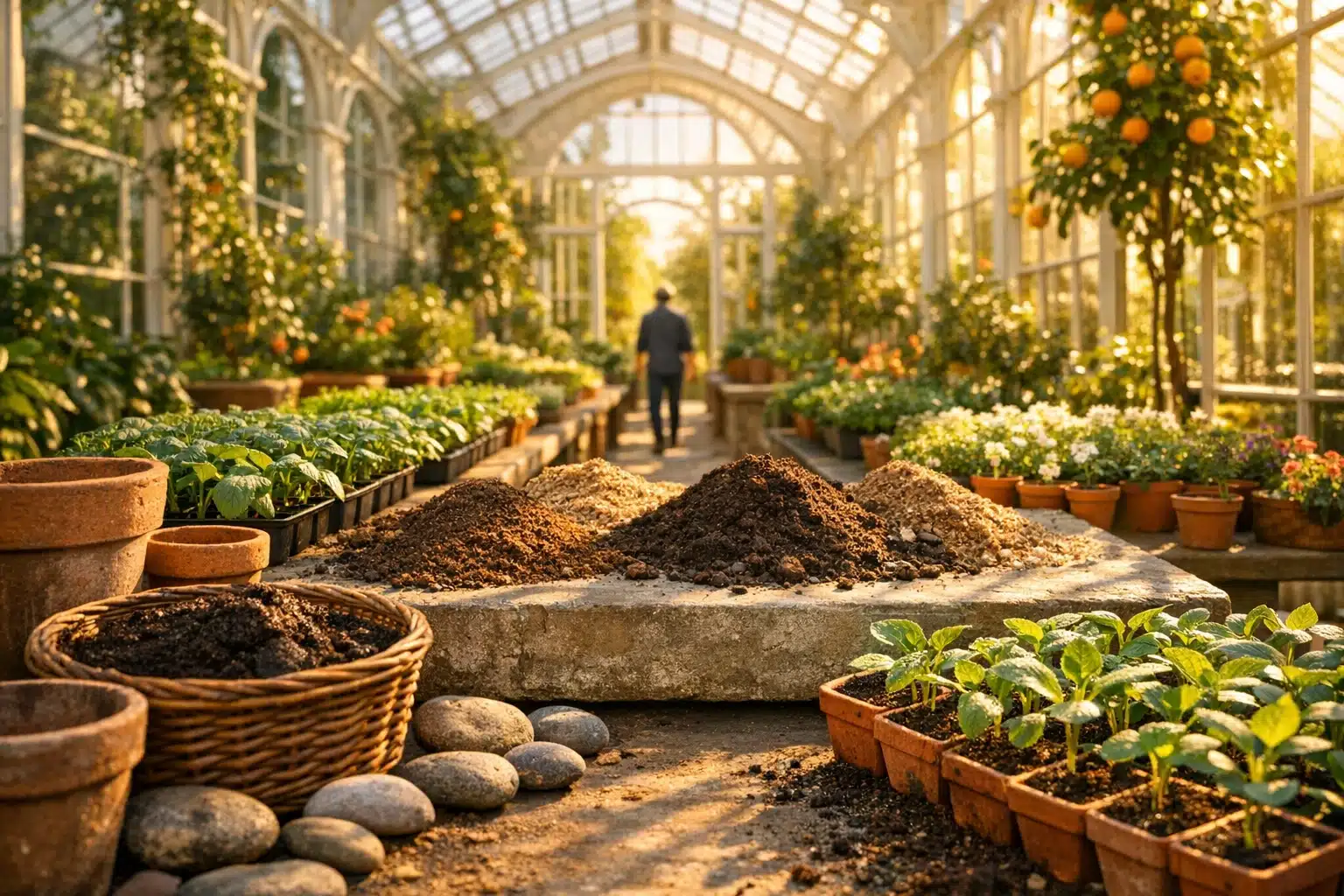
Soil is usually the first major lesson, and for good reason. Plants do not merely sit in soil; they depend on it for water, air, nutrients, and root support. Beginners often assume all soil is roughly the same, but courses usually explain the difference between sandy, silty, and clay-heavy soils, along with the role of organic matter. Compost gets special attention because it improves structure, moisture retention, and biological activity. Some classes also introduce pH, showing why blueberries prefer more acidic soil while many vegetables tolerate a broader range.
Light is another topic where classes save beginners from expensive mistakes. Most fruiting vegetables need full sun, which generally means around six to eight hours of direct light per day, though exact needs vary by crop and climate. Leafy greens can often handle less. A class helps students judge whether a space is truly sunny or only bright for part of the day. That distinction matters. A shaded balcony may still produce mint, parsley, or lettuce, but it is less likely to support heavy tomato harvests.
Watering instruction may be the most practical part of any course. Many beginners overwater because they confuse daily attention with good care. Classes often teach the difference between frequent shallow watering and deeper, less frequent watering that encourages stronger root development. A common rule of thumb for many garden beds is roughly one inch, or about 2.5 centimeters, of water per week from rain and irrigation combined, though heat, wind, soil type, and plant stage can change that need. Students also learn to look for signs such as drooping, yellowing, soggy soil, or dry crusting rather than relying only on the calendar.
Plant selection and troubleshooting tie everything together. Good classes explain hardiness zones, planting seasons, spacing, disease prevention, and companion considerations without turning gardening into a rigid science experiment.
- Soil quality shapes root health and nutrient access.
- Sun exposure determines what plants will realistically thrive.
- Watering technique matters as much as watering frequency.
- Choosing the right plant for the right place prevents many problems.
At its best, a gardening class teaches beginners to read the garden like a series of clues. A pale leaf, a leaning stem, or slow germination is not a mystery to fear; it is information waiting to be interpreted.
How to Choose the Right Gardening Class for Your Goals, Budget, and Growing Space
Choosing a gardening class is less about finding the most impressive description and more about matching the course to your real life. A beginner with a sunny windowsill, modest budget, and limited free time should not select a program designed for large edible landscapes. The right class feels relevant from the first lesson because it speaks directly to your available space, your climate, and your goals.
Start with a practical question: what do you want to grow? If the answer is herbs and salad greens in containers, look for courses in balcony gardening, urban gardening, or small-space food growing. If you want flowers, pollinator habitats, or native species, find a class that treats ornamentals and ecology as central topics rather than side notes. If your interest is broad, a general beginner course is the smartest entry point because it gives you a base before specialization.
Next, consider where the class is based. Local instruction has major advantages. Teachers who work in your region understand frost dates, summer heat, humidity, common pests, and soil quirks. Advice that works beautifully in a mild coastal climate may fail in a dry inland area or a cold northern season. This is why many gardeners value classes run by local extension offices, botanical gardens, or experienced regional instructors. Their recommendations tend to be grounded in conditions you will actually face.
Budget matters, but price alone is not a reliable measure of value. Some free classes are excellent, especially when they are supported by public education programs or community organizations. Some paid courses justify their cost by including tools, seeds, printed guides, access to a demonstration garden, or direct instructor feedback. What matters is what the fee buys. Compare the structure carefully:
- Class length and number of sessions
- Hands-on practice versus lecture-only teaching
- Access to notes, recordings, or seasonal calendars
- Instructor qualifications and teaching experience
- Class size and opportunity for questions
It also helps to ask whether the course teaches principles or only recipes. A class that says “plant this in May and water twice a week” may be useful in the short term, but a stronger class explains why timing and water needs change. That kind of instruction creates independent gardeners rather than dependent ones.
Finally, be honest about your schedule and energy. A beautiful syllabus is useless if you cannot keep up. The best class is the one you will attend, remember, and apply. Gardening is already full of variables; your course should reduce stress, not add another layer of it.
Putting Lessons Into Practice: A Conclusion for New Gardening Enthusiasts
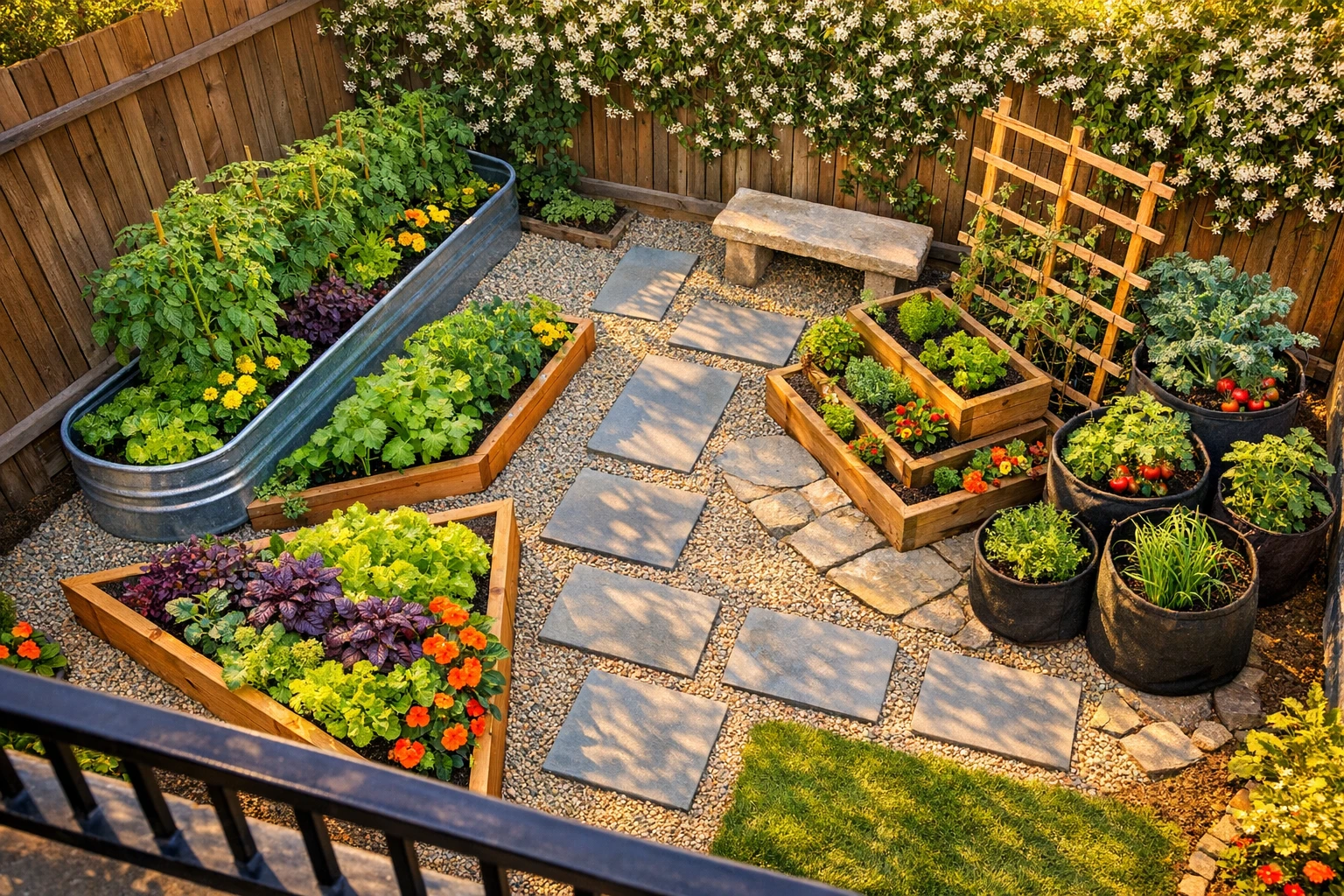
Taking a gardening class is a beginning, not a finish line. The real value appears when lessons move out of notebooks and into pots, beds, and windowsills. For new enthusiasts, the smartest next step is to start small and grow steadily. A modest herb container, one raised bed, or a few easy vegetables can teach more in a season than an overly ambitious plan that becomes hard to manage by midsummer.
One of the most effective habits after a class is keeping a simple garden record. This does not need to be elaborate. Write down planting dates, varieties, weather patterns, watering changes, pest issues, and what succeeded. Over time, this turns general instruction into personal knowledge. You stop gardening only from memory and begin gardening from evidence. That shift is powerful. A class may teach that basil dislikes cold nights, but your own notes show exactly when your balcony warms enough each year for it to thrive.
It is also worth revisiting the social side of learning. Gardening can be peaceful and solitary, yet progress often speeds up when beginners stay connected to a local or online learning community. Classmates, community gardens, and neighborhood groups can offer seasonal reminders, plant swaps, and troubleshooting help. When aphids arrive, when seedlings stretch toward weak light, or when a compost pile seems inactive, advice from people facing the same season can be more useful than a random tip from elsewhere.
New gardeners should remember that setbacks are not proof of failure. They are part of the curriculum. Even experienced growers lose plants, mistime sowing, or misjudge weather. The difference is that training helps you recover faster and more intelligently. A class gives language to the problems and methods for testing solutions. Suddenly “my plant looks bad” becomes “the drainage is poor,” “this crop needed more light,” or “I planted too early for the soil temperature.” That clarity is where confidence grows.
For the target audience of this guide, the message is simple: choose a class that fits your space and goals, focus on the fundamentals, and let your first season be a season of learning rather than perfection. Gardening classes do not remove all uncertainty, but they turn confusion into process and curiosity into skill. And that is often the moment a hobby becomes a lasting pleasure, rooted not in luck, but in understanding.