Costco Grill Sale: A Practical Guide for Shoppers
Introduction and Article Outline: Why a Grill Sale Deserves a Closer Look
Shopping a Costco grill sale can be a smart move if you want dependable outdoor cooking gear without paying full seasonal prices. Grills are big-ticket purchases, so timing, fuel type, build quality, and bundle value all matter more than the sale sign alone. This guide breaks down how to compare options, spot genuine savings, and choose a model that fits your space, budget, and cooking style before summer weekends arrive.
A grill is not just another appliance with wheels and a lid. For many households, it becomes the center of weekend meals, family gatherings, and those calm evenings when dinner somehow tastes better outside. Because of that, the purchase deserves a little more thought than a quick glance at a markdown tag. Costco draws attention for carrying recognizable grill brands, rotating seasonal inventory, and offering member-focused pricing, but even a warehouse deal is only useful if the model suits your needs.
This article follows a practical structure so readers can move from browsing to deciding with fewer surprises. The outline below maps the path:
- How grill sales work and why Costco attracts shoppers in this category
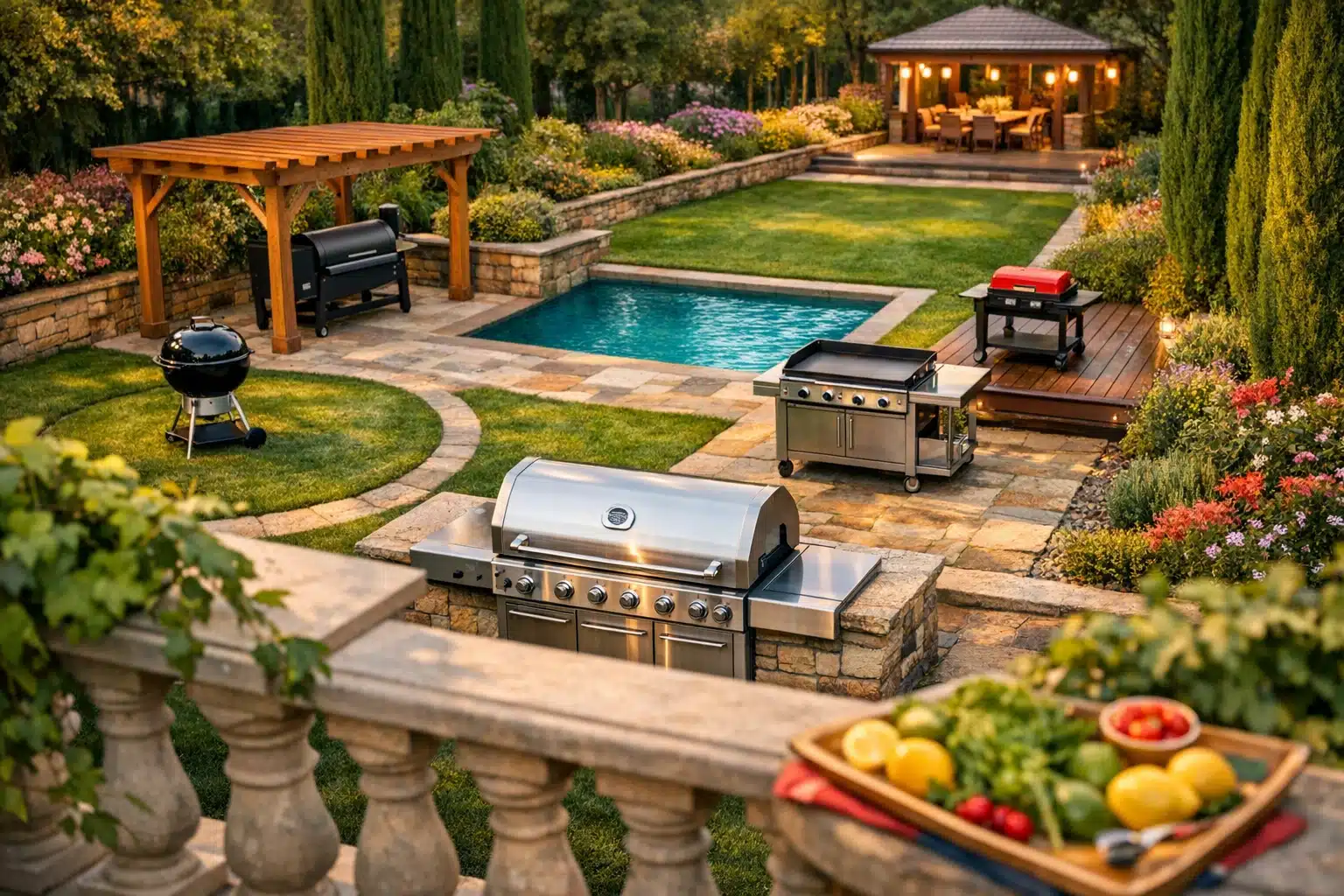
- The main grill types you are likely to compare, including gas, charcoal, pellet, griddle, and portable options
- How to judge real value by looking beyond the advertised price
- What features, materials, and service policies matter before purchase
- A final checklist and conclusion for shoppers who want to buy with confidence
One reason grill shopping becomes confusing is that the visible discount is often only part of the story. A warehouse club may offer a strong price on a four-burner gas grill, but another model with fewer burners could still be the better value if it has thicker construction, a more durable cooking grate, or a longer warranty. In some cases, a grill package includes a cover, side shelves, rotisserie kit, or delivery service. In other cases, those extras cost more later. That is why thoughtful comparison beats impulse every time.
There is also a seasonal rhythm to this category. Grill demand usually rises in spring and early summer, when outdoor cooking moves from wishful thinking to urgent backyard planning. Promotions may appear before holidays, during warehouse floor resets, or at the tail end of warm-weather inventory cycles. Shoppers who understand that timing can often balance selection and price more effectively. Buy too early, and prices may still be firm. Wait too long, and the best models may vanish like the last burger at a neighborhood cookout.
By the end of this guide, you should be able to read a grill listing with clearer eyes, compare one model against another using practical criteria, and recognize whether a sale is truly useful for your household. The goal is not to chase the biggest number on the discount sign. It is to find the right grill at a sensible price, with fewer regrets after the box is opened and the patio becomes your new kitchen.
Comparing Grill Types: Gas, Charcoal, Pellet, Griddle, and Portable Choices
Before focusing on discounts, it helps to understand what kind of cooker you are actually buying. Costco grill sales often feature several categories, and each one serves a different style of outdoor cooking. A shopper who wants fast weeknight meals has very different needs from someone who enjoys all-day smoking sessions or compact gear for camping. When the variety is lined up under bright warehouse lights, everything can look exciting. Underneath the shine, the differences are practical, not cosmetic.
Gas grills are often the default choice for convenience. They heat quickly, usually offer multiple burners for zoned cooking, and make it easier to prepare dinner without much setup. For families grilling burgers, vegetables, chicken, and fish several times a week, gas can be the most efficient route. Many models include side shelves, warming racks, temperature gauges, and sear burners. Propane models are especially common, though some can be converted for natural gas with the proper kit. The tradeoff is that gas grills generally deliver convenience over deep smoke flavor, and performance can vary based on burner quality and heat retention.
Charcoal grills remain popular because they produce a classic grilled taste that many enthusiasts prefer. They can be simpler in design and sometimes lower in price than larger gas units. A kettle grill, for example, gives strong results for direct and indirect cooking if the user learns fire control. However, charcoal takes longer to light, creates more ash, and asks more from the cook. It is less of a push-button experience and more of a small ritual. For some buyers, that is the whole appeal.
Pellet grills sit in a space between grilling and smoking. They use wood pellets fed by an electric auger and are known for steady temperature control. These models often attract shoppers who want low-and-slow barbecue, ribs, brisket, and smoked poultry without mastering a purely manual smoker. They can also roast and bake effectively. On the other hand, pellet grills usually cost more, rely on electricity, and may not sear like a dedicated high-heat gas setup unless specifically designed for it.
Griddles have gained attention because they handle foods that traditional grates struggle with. Think pancakes, fajitas, smash burgers, eggs, chopped vegetables, and stir-fry style meals. For families who enjoy breakfast outdoors or cooking large batches at once, a flat top can be surprisingly versatile. The limitation is obvious: if you want open-flame grill marks and lid-down roasting, a griddle is a different tool.
Portable and compact grills suit balconies, tailgating, small patios, and travel. They matter because many shoppers buy more grill than they can realistically store or use. A smaller model may deliver better long-term satisfaction than a six-burner giant that dominates every inch of outdoor space.
- Choose gas for speed and everyday convenience
- Choose charcoal for flavor and hands-on control
- Choose pellet for smoking versatility and steady heat
- Choose a griddle for flat-top cooking and large batch meals
- Choose portable models for limited space or mobility
The right category is the foundation of a good purchase. Without that decision, even an impressive sale can lead to the wrong box in the trunk.
Understanding the Real Price: Discounts, Bundles, Membership Value, and Hidden Costs
A sale price is useful only when it reflects the complete cost of ownership. This is where many shoppers get distracted. A grill marked down by a few hundred dollars feels dramatic, yet the final value depends on what is included, what you still need to buy, and how long the product will perform. Smart buyers look at the entire package, not just the headline number.
Costco often draws attention because its pricing can include benefits not always obvious at first glance. Depending on the item and sales channel, you may see bundled accessories, delivery offers, assembly support, or a return policy that feels more comfortable than buying from an unfamiliar online seller. Some shoppers also compare in-warehouse pricing with the retailer’s website, where certain models are available only online. It is not unusual for online prices to reflect shipping costs, while warehouse pricing may differ due to local inventory and logistics. That means a direct comparison should always include how the item reaches your home.
There are also seasonal patterns to consider. Early spring may provide a broader selection, since retailers want to capture the first wave of backyard demand. Around major holidays such as Memorial Day, Father’s Day, and Independence Day, promotions may become more visible. Late summer can bring clearance opportunities, though sizes and preferred brands may be picked over by then. The timing question is less about magic dates and more about tradeoffs:
- Earlier shopping often gives you more selection
- Mid-season promotions may offer balanced pricing and availability
- End-of-season markdowns can be attractive but limited
- Online-only deals may add convenience, though not always lower final cost
Then come the overlooked expenses. Fuel matters. A propane grill requires tank refills or exchanges, while a pellet grill needs ongoing pellet purchases and electricity. Charcoal users buy briquettes or lump charcoal and often add chimney starters, ash tools, and storage bins. Covers, grill brushes, thermometers, drip trays, and replacement grates also contribute to the real budget over time. A bargain grill that rusts quickly or cooks unevenly may cost more in frustration and replacement than a sturdier model purchased at a slightly higher price.
It also helps to compare cost per usable feature rather than sticker price alone. For instance, a grill that includes a cover, rotisserie kit, side burner, and upgraded grates may deliver stronger value than a stripped-down model with a lower listed price. But buyers should stay practical. Paying for extras you will never use is just a quieter form of overspending. The side burner sounds impressive until you remember that it will spend most of its life holding a plate.
A careful shopper asks a few simple questions: What exactly am I getting? What will I need to buy next? How long is this likely to last? Once those answers are clear, the sale price becomes meaningful. Until then, it is only a number on a tag, glowing brightly but telling only part of the story.
How to Judge Quality and Fit: Materials, Features, Performance, and Brand Support
After narrowing the field by type and price, the next step is figuring out whether a grill is actually well suited to your cooking habits. This is where many buying decisions become more sensible. The largest grill is not automatically the best one, and a longer feature list does not guarantee better meals. Quality shows up in construction, heat control, ease of maintenance, and the reliability of parts you may need years later.
Start with the body and cooking surfaces. Stainless steel is often used as a selling point, but not all stainless steel grades perform equally. Thicker materials generally resist warping better than thin panels. Porcelain-coated cast iron grates can hold heat well and create attractive sear marks, while stainless grates may be easier to maintain in some conditions. Lids should feel solid rather than flimsy. Doors and shelves should close and align properly. If a floor model wobbles under gentle pressure, imagine how it may feel after several seasons outdoors.
Burner count is another area where shoppers can get pulled into numbers without context. More burners can help with heat zones and capacity, but burner quality and heat distribution often matter more than sheer count. BTU ratings are frequently advertised, yet higher BTUs do not automatically equal better cooking. What matters is how effectively the grill retains and distributes heat across the cooking area. A well-designed grill can outperform a louder, higher-numbered competitor that leaks heat like an open window in winter.
Useful features depend on your habits. Some are genuinely practical:
- A reliable ignition system for quick starts
- Accurate temperature monitoring
- Ample prep space on side shelves
- A grease management system that is easy to clean
- Wheels that move smoothly on your actual surface, whether concrete, deck boards, or patio stone
Other features may be situational. A rotisserie kit is wonderful for cooks who use it; meaningless for everyone else. Interior lights sound appealing for evening grilling, though not every buyer needs them. Smart connectivity and app integration can be helpful on some premium models, especially for pellet units, but they should not distract from basic durability.
Size matters in two directions. Cooking area should match your household and entertaining style. A couple who grills for two or four people a few times a week may not need a huge unit that consumes fuel and patio space. Meanwhile, a larger family or frequent host might benefit from more surface area and multiple heat zones. Measure the space where the grill will live, and remember to allow room for the lid to open and for safe ventilation. A giant grill squeezed into a tight corner is not a lifestyle upgrade.
Finally, consider support after the purchase. Replacement parts, warranty terms, and brand reputation matter more than shoppers sometimes realize. Even a sturdy grill can need burners, igniters, grates, or wheels over time. A well-supported brand is easier to live with. Read warranty details carefully, especially what is covered for burners, body, electronics, and paint finish. In the end, quality is not a glossy showroom impression. It is the quiet confidence that the grill will still work well after many meals, many cleanings, and many ordinary Tuesdays.
A Practical Buying Plan and Conclusion for Costco Shoppers
If you have made it this far, you are already shopping more wisely than the average impulse buyer who spots a markdown, imagines perfect summer dinners, and heads straight for the checkout. A good grill purchase is less about excitement and more about fit. The best outcome is not owning the flashiest model in the aisle. It is owning the one you will use often, clean without resentment, and still appreciate after the novelty fades.
For Costco shoppers in particular, a structured buying plan can simplify the process. Start with three basic decisions before you even compare models: your budget, your preferred fuel type, and your available outdoor space. Those answers eliminate a surprising amount of noise. Once those are clear, move to capacity. Ask how many people you usually cook for, not how many you might cook for on one ambitious holiday weekend. Then consider whether you want a grill primarily for fast meals, slow barbecue, breakfast-style cooking, or a mix of tasks. That practical self-assessment is more valuable than any promotional sign.
Here is a sensible checklist to use before buying:
- Measure the footprint of the area where the grill will sit
- Confirm whether assembly, delivery, or haul-away service is included
- Check fuel availability and ongoing operating costs
- Review warranty coverage and availability of replacement parts
- Compare included accessories instead of focusing on base price alone
- Read model-specific reviews for common praise and recurring complaints
- Think about cleaning effort, storage needs, and seasonal weather exposure
It also helps to separate desire from use case. A premium pellet grill may be fascinating, but not ideal if you mainly grill quick chicken breasts after work. A large griddle may be brilliant for a family that loves breakfast spreads, yet unnecessary for a shopper who wants classic steaks and vegetables. A compact gas grill may quietly win the day because it matches your actual routine. There is something refreshing about buying with honesty rather than aspiration.
For first-time buyers, Costco can be a comfortable entry point because it often combines familiar brands, warehouse visibility, and member-oriented shopping conditions. For experienced grill owners, it can be a practical place to compare upgrade options, especially during seasonal promotions. In both cases, the smartest move is to treat the sale as the beginning of the evaluation, not the end of it.
In conclusion, the right purchase balances price, cooking style, durability, space, and long-term value. Shoppers who compare grill types carefully, account for accessories and operating costs, and pay attention to build quality are more likely to end up satisfied months later. A good grill should make outdoor cooking easier and more enjoyable, not turn into an oversized reminder of a rushed decision. If you approach a Costco grill sale with a clear plan, you can walk away with something better than a discount: a grill that genuinely fits your life.