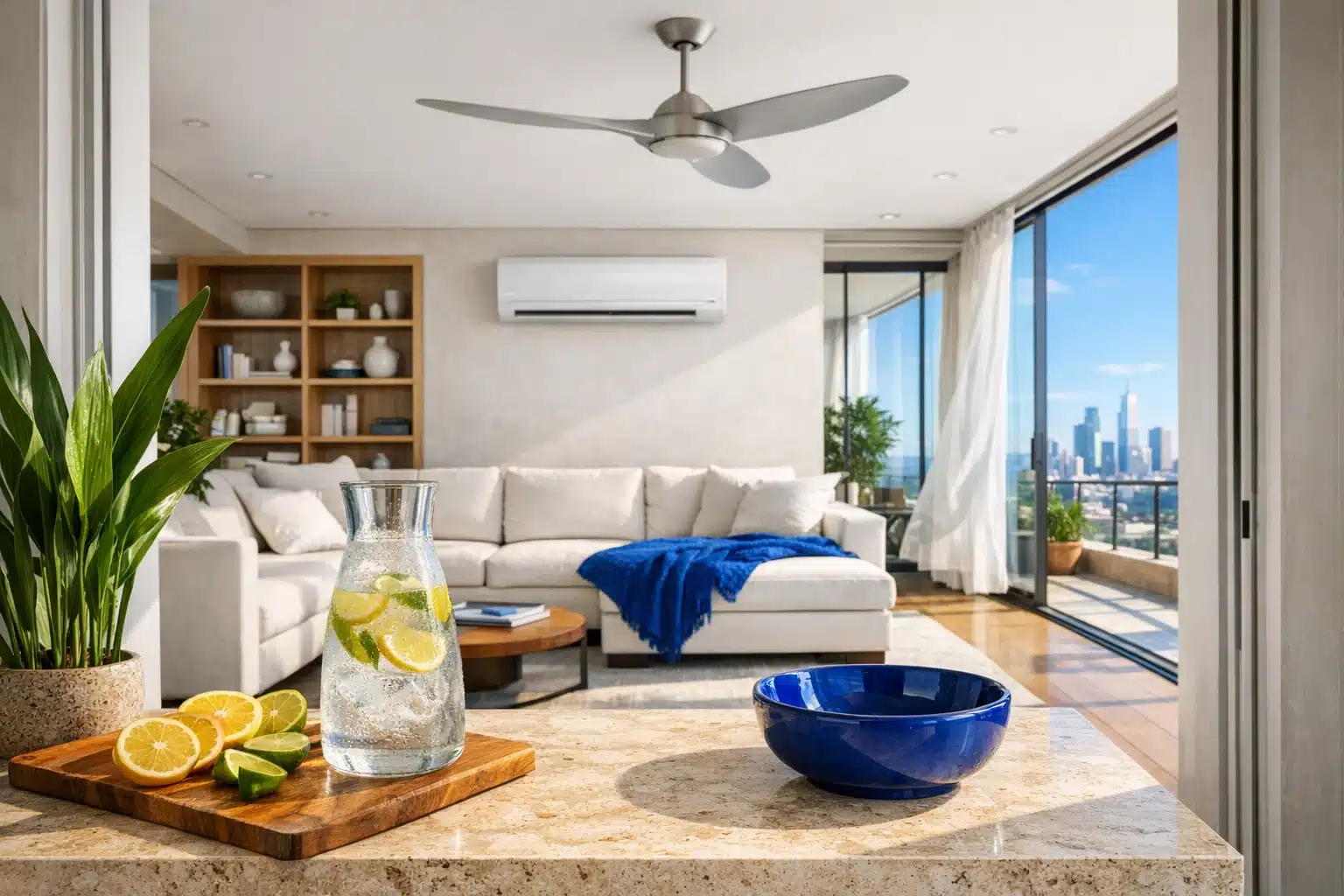
Beyond the Blade: Why Innovative Cooling Systems are Replacing Ceiling Fans in 2026
For decades, the ceiling fan was the familiar symbol of summer relief: simple, affordable, and always in motion. Yet buildings have changed, weather patterns have become more demanding, and expectations for comfort now reach far beyond a moving stream of air. People want cooler bedrooms, drier living rooms, quieter operation, and lower power bills at the same time. That shift is pushing innovative cooling systems from luxury status into practical everyday relevance.
Outline and Market Shift: Why the Old Fan-Only Formula Is Fading
Any useful discussion of cooling systems in 2026 needs a clear roadmap, because the subject now sits at the crossroads of comfort, energy use, architecture, and climate resilience. This article follows a practical outline: first, it explains why ceiling fans alone no longer meet many modern needs; second, it looks at the science of cooling and why temperature is only part of the story; third, it compares the leading technologies now taking center stage; fourth, it examines efficiency, cost, and environmental impact; and finally, it offers a grounded conclusion for homeowners, renovators, and building managers.
The reason this shift matters is simple. A ceiling fan does not actually lower the temperature of a room. It improves perceived comfort by moving air across the skin, which can make occupants feel several degrees cooler, especially in dry conditions. That is useful, but it is also limited. When humidity rises, when outside temperatures remain elevated overnight, or when rooms need different settings at the same time, a fan starts to feel like a clever workaround rather than a complete answer. It is the difference between opening a window in a parked car and turning on a proper climate system.
Several forces are accelerating the move beyond blade-based cooling. Newer homes are often better insulated and more airtight, which improves efficiency but also increases the need for intentional ventilation and moisture control. Urban apartments may lack cross-breezes. Remote work means more people occupy their homes throughout the day, placing greater demand on all-day comfort rather than evening relief. At the same time, energy standards and product innovation have made advanced systems more attractive than they were a decade ago.
Key drivers behind the change include:
• Higher expectations for whole-home comfort, not just spot cooling
• Better awareness of humidity, indoor air quality, and ventilation
• Growth of inverter-driven heat pumps and ductless mini-splits
• Rising interest in lower operating costs and reduced emissions
• Smarter controls that allow room-by-room zoning and scheduling
None of this means ceiling fans are obsolete. They remain affordable, efficient, and useful as support devices. But their role is changing. In many buildings, the fan is no longer the lead performer; it is the backup musician helping a far more sophisticated system play in tune.
The Science of Comfort: Cooling Is More Than Lowering the Thermostat
People often speak about cooling as if it were a single measurement, but thermal comfort is really a balancing act involving air temperature, humidity, air movement, radiant heat, clothing, and activity level. A room at 76 degrees Fahrenheit can feel pleasant or oppressive depending on moisture in the air, direct sunlight on surfaces, and whether stale air is lingering in corners. This is where many modern systems outperform ceiling fans: they address several variables at once instead of relying on airflow alone.
A fan works through convective and evaporative effects. As air moves across the body, sweat evaporates more easily and the skin loses heat faster. In favorable conditions, that can make a person feel roughly 2 to 4 degrees Fahrenheit cooler, sometimes more. But the actual heat content of the room does not fall. If nobody is in the room, running the fan simply uses electricity without reducing indoor temperature. Air conditioners, heat pumps, and other active systems remove heat from the indoor environment. Some also reduce moisture, which is critical because high humidity can make moderate temperatures feel uncomfortable and can contribute to mold growth over time.
Humidity deserves special attention. Many people have experienced this quiet frustration: the thermostat reads a reasonable number, yet the house still feels sticky. That is because comfort often improves when relative humidity stays in a moderate range, commonly around 40 to 60 percent for many indoor settings, though ideal targets vary by climate and season. Ceiling fans do not dehumidify. Refrigerant-based systems usually do. Dedicated dehumidifiers can help as well, especially in basements, coastal homes, or tightly sealed buildings.
Radiant heat is another overlooked factor. Large west-facing windows, hot attic ceilings, and sun-soaked walls can make a room feel warmer even when the air temperature looks acceptable on a thermostat. Advanced cooling strategies often combine insulation upgrades, shading, reflective roofing, and zoning to reduce these hot spots. In other words, better cooling is often part mechanical system and part building design.
What modern cooling does better:
• Removes or transfers heat rather than only stirring air
• Controls moisture levels more effectively
• Delivers consistent temperatures across multiple rooms
• Integrates with filters, ventilation, and smart controls
• Reduces hot and cold pockets through zoning or variable output
The real lesson is that comfort is not a single dial. It is a small ecosystem. Once people understand that, the jump from fan-based relief to integrated cooling starts to make much more sense.
What Is Replacing Ceiling Fans: Comparing the Leading Cooling Technologies
The cooling systems gaining ground in 2026 are not all trying to do the same job. Some are designed for whole-home climate control, some for room-by-room precision, and some for specialized climates where humidity or dryness changes the rules. The most visible winners are inverter-driven heat pumps and ductless mini-splits. These systems use variable-speed compressors, which means they can ramp output up or down rather than cycling on and off at full blast. That usually improves comfort because temperatures stay steadier, noise can be lower, and efficiency often improves during part-load operation, which is where many systems spend much of their time.
Ductless mini-splits are especially popular in retrofits, additions, older homes without ducts, and households that want zoning. One indoor unit can cool a single room, or multiple indoor heads can serve different areas. This avoids some of the energy losses associated with poorly sealed ducts, and those losses can be significant in some buildings. Traditional central air still has a strong place, especially in larger homes with existing ductwork, but it increasingly competes with systems that offer more granular control.
Heat pumps deserve special attention because they can both cool and heat. Instead of creating cooling from scratch, they move heat from one place to another. Under many conditions, that approach is highly efficient. For homeowners replacing separate furnace and air conditioner setups, a heat pump can simplify equipment while supporting electrification goals. That said, performance depends on climate, insulation, installation quality, and backup heating strategy where winters are severe.
Other technologies are also part of the conversation:
• Evaporative coolers: efficient in hot, dry climates but much less effective in humid regions
• Radiant cooling: quiet and comfortable when properly designed, though condensation control is essential
• Chilled beams and advanced commercial systems: more common in larger buildings than typical homes
• ERV and HRV ventilation systems: not primary coolers, but important for fresh air and moisture balance in tight buildings
• Smart zoning controls: improve comfort by directing cooling where and when it is needed
The interesting part is not that one technology has destroyed all others. It is that cooling has become more tailored. A compact apartment may benefit most from a ductless system. A large suburban house may need central air with better zoning. A desert home might still love evaporative cooling. The future is not one machine replacing one fan; it is a toolkit replacing a habit.
Efficiency, Cost, and Sustainability: The Case for Smarter Systems
When people compare cooling options, the first question is often, “What will this do to my electric bill?” That is fair, but incomplete. A better question is, “What level of comfort am I buying per unit of energy, and how reliable is that comfort during peak heat?” This is where modern cooling systems increasingly justify their higher upfront price. Variable-speed equipment, improved controls, and better building integration often deliver more usable comfort with less waste.
Efficiency ratings such as SEER2 help compare cooling equipment, though they do not tell the whole story. Installation quality matters enormously. A high-efficiency system installed with poor airflow, oversized equipment, leaky ducts, or bad refrigerant charge can underperform badly. By contrast, a properly sized and carefully commissioned system may feel better and run more economically even if its marketing brochure is less dramatic. In cooling, design discipline often beats gadget glamour.
Fans remain extremely efficient in terms of electricity use, and that is why they still matter. A ceiling fan can allow a thermostat to be set a bit higher while preserving comfort for occupied rooms. But that works best as a partnership with active cooling, not as a replacement in demanding conditions. Think of fans as assistants that extend the effectiveness of a broader system. They can reduce strain, improve air mixing, and help occupants tolerate a slightly warmer setpoint.
Sustainability is another reason innovative systems are gaining support. Heat pumps can reduce dependence on fossil-fuel heating equipment while also providing summer cooling. Better zoning avoids conditioning empty spaces. Smarter thermostats can trim unnecessary runtime. Improved building envelopes reduce total cooling loads in the first place. Refrigerant selection also matters, since lower global-warming-potential options are receiving more attention across the industry.
Important cost and sustainability tradeoffs include:
• Upfront price versus long-term operating savings
• Ducted convenience versus ductless zoning flexibility
• Peak performance in extreme weather versus average seasonal efficiency
• Lower emissions potential versus the carbon intensity of the local electric grid
• Equipment life span versus maintenance discipline
The smartest approach is rarely the cheapest sticker price. It is the system that fits the building, the climate, and the daily routine of the people using it. In that sense, modern cooling is less like buying a box and more like choosing a strategy.
Choosing the Right Cooling System: A Practical Conclusion for Homeowners and Renovators
If you are the person paying the bills, sleeping through summer nights, or planning a renovation, the headline is straightforward: replacing a fan-only mindset with a whole-comfort mindset usually leads to better results. The right system depends on your climate, budget, insulation level, floor plan, and expectations. A small condo with one sunny exposure does not need the same answer as a two-story house with an overheated attic and several occupied bedrooms. Good choices start with honest diagnosis, not brand loyalty.
Begin by looking at the building itself. Air sealing, insulation, shading, and window performance can lower cooling demand before any equipment is installed. After that, ask whether you need whole-home coverage, room-by-room zoning, humidity control, quieter operation, or a combined heating-and-cooling solution. A contractor who performs load calculations and discusses these factors is offering far more value than one who simply recommends the largest unit available. Oversized systems may cool quickly, but they often cycle too fast to dehumidify well, leaving rooms cold and clammy instead of comfortable.
A practical decision checklist might include:
• What is the local climate: humid, dry, mixed, or extreme?
• Does the home already have ducts, and are they in good condition?
• Are there rooms that are consistently warmer than others?
• Is indoor air quality or fresh-air ventilation a concern?
• Would a heat pump reduce both summer and winter energy use?
• Is quiet operation important for bedrooms or home offices?
For many households in 2026, the best answer is not to remove ceiling fans entirely but to downgrade them from main strategy to supporting role. Fans still help with perceived comfort and air circulation. Yet the systems replacing them at center stage are better at what modern living requires: stable temperatures, lower humidity, targeted zoning, and efficiency that holds up over long hot spells. They cool the room, not just the skin. They adapt to occupancy, not just weather. They turn comfort from a guess into a design outcome.
In summary, innovative cooling systems are replacing ceiling fans because buildings and expectations have evolved. For homeowners, renovators, and small property managers, the opportunity is clear: invest in solutions that manage heat, moisture, and airflow together, then use fans as efficient companions rather than heroic stand-ins. That is the real story beyond the blade.