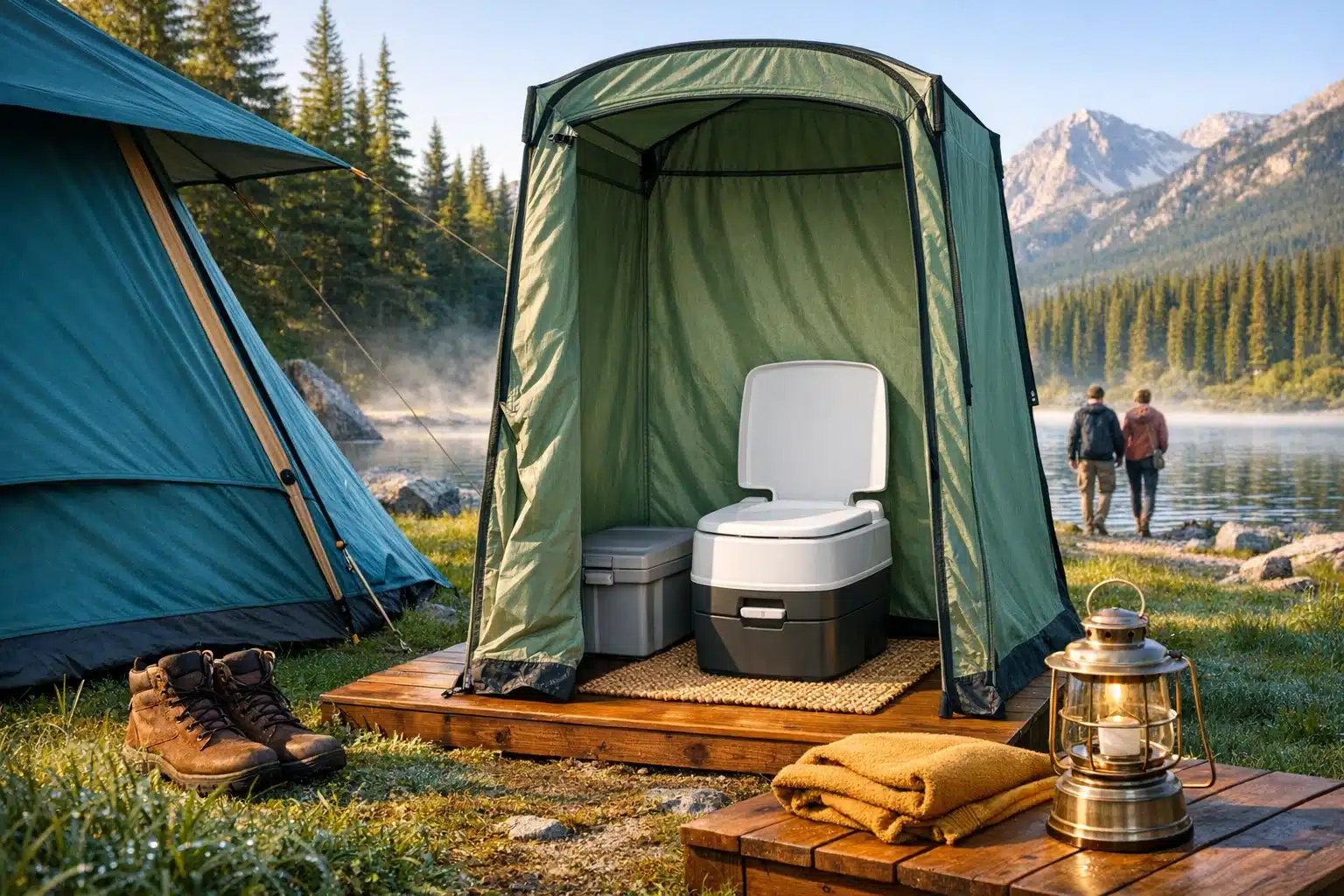
Camping, music festivals, marathons: reasons to own a portable toilet
Owning a portable toilet is less about novelty and more about removing one of the biggest frictions in outdoor life: access to a clean, nearby restroom when you actually need it. For campers, festivalgoers, runners, road trippers, and families with children, that convenience can shape comfort, timing, and even safety. This guide begins with a clear outline, then breaks down the major toilet types, their best uses, and the upkeep they require. By the end, you should have a realistic sense of whether one belongs in your gear lineup.
Outline:
• Why portable toilets matter beyond simple comfort
• The main designs and how they compare
• Real-world situations where ownership makes sense
• What to check before buying, using, and storing one
• A practical conclusion for likely buyers
Why a Portable Toilet Matters More Than Many People Expect
Most people do not think seriously about toilets until the nearest one is unavailable. That is exactly why portable toilets earn their place in camping kits, event vehicles, race support setups, and emergency home supplies. Access to sanitation is not only a comfort issue. It affects hygiene, privacy, scheduling, hydration habits, and the way people move through an outdoor day. When restrooms are too distant, too dirty, or too crowded, people often drink less water, delay breaks, or leave events earlier than planned. None of those outcomes improve the experience.
At a campsite, the gap between your tent and the nearest restroom can feel much longer at 2 a.m., in rain, or in cold weather. For parents, that walk can involve flashlights, jackets, wet ground, and a child whose patience has already expired. For older adults or people with limited mobility, a distant bathroom may turn a relaxing trip into a logistical problem. A portable toilet changes that equation by bringing basic sanitation into reach. It is one of those humble tools that rarely makes the cover of a gear catalog, yet quietly solves a high-stakes problem.
Music festivals highlight a different set of pressures. Public units can be heavily used, understocked, or stuck behind long lines during peak hours. Owning a portable toilet will not replace official facilities for every attendee, especially in tightly regulated venues, but it can be valuable in related settings such as RV camping, overnight parking zones, event crew operations, and pre-entry staging areas. In those moments, the benefit is not luxury. The benefit is control. You know where the toilet is, who has used it, and what condition it is in.
Marathons and endurance events create another clear use case. Runners, volunteers, coaches, and spectators often gather in areas where temporary public toilets are provided, but demand spikes sharply before the start. If you are part of a support crew, traveling with children, or operating from a vehicle for hours, having a private portable toilet can reduce stress and save time. That matters when schedules are tight and movement is limited by road closures.
A portable toilet also offers value outside special events. It can serve on road trips, during home renovations, while boating, or as part of emergency preparedness for storms and utility outages. In other words, it is not a one-scenario purchase. It is a flexible sanitation tool that becomes useful whenever regular infrastructure disappears from the picture. Like a rain jacket, you may not celebrate owning it every day, but on the day you need it, it feels strangely brilliant.
Portable Toilet Types and How They Compare in Practice
The term portable toilet covers several very different products, and choosing well starts with understanding those differences. Some models are simple, lightweight, and inexpensive. Others are closer to compact plumbing systems with flush mechanisms, sealed waste tanks, and carrying handles. The right choice depends less on advertising language and more on how, where, and how often you plan to use it.
The most basic option is the bucket-style or frame-style camping toilet. These designs often use a sturdy seat placed over a bucket or bag system. Their main strengths are low cost, low weight, and minimal setup. They work well for emergency kits, short camping trips, and backup use. The trade-off is obvious: comfort is limited, odor control depends heavily on liners and absorbent material, and disposal requires careful handling. For occasional use, they can be practical. For repeated use over several days, many people quickly want something more refined.
Self-contained flush toilets are the models many buyers picture first. These usually have two sections: a top freshwater tank and seat, plus a lower sealed waste tank. Many can hold roughly 10 to 20 liters of waste, though sizes vary by brand and design. A manual pump or piston flush helps rinse the bowl, which improves cleanliness and reduces visible mess. They are generally more comfortable, more private, and better at controlling odor than simple bag systems. The downside is added weight, especially when full, along with more cleaning and slightly higher cost.
Composting and separating toilets form a more specialized category. These are often used in vans, tiny homes, boats, and off-grid setups. Instead of relying mainly on chemical deodorizing fluid, they separate liquids from solids or use dry cover materials to manage moisture and smell. They can reduce dump frequency in certain setups, but they are usually bulkier and more expensive upfront. They also require a user who is willing to learn the system rather than treat it like a simple drop-in replacement for a household toilet.
A practical comparison often looks like this:
• Bucket or bag system: lightest, cheapest, simplest, least comfortable
• Self-contained flush toilet: easiest for most families, balanced comfort and portability
• Composting or separating toilet: best for frequent off-grid users, highest learning curve and price
There are also feature differences worth comparing before you buy:
• Seat height, which affects comfort for children and adults
• Tank capacity, which determines how often you empty it
• Emptying spout design, which affects cleanliness during disposal
• Seals and latches, which influence odor control during transport
• Carry weight when full, which matters more than the listed empty weight
In practical terms, many casual users are happiest with a compact flush model because it feels familiar without becoming overly technical. Minimalist campers may prefer a bag-based system to save space. Frequent travelers and van owners often benefit from higher-end dry systems. There is no universal winner, only a better fit for a specific pattern of use. Choosing the wrong design can make ownership annoying. Choosing the right one makes the product fade into the background, which is exactly what good sanitation equipment should do.
Camping, Festivals, Marathons, and Other Moments When Ownership Makes Sense
A portable toilet proves its value most clearly in situations where demand, distance, or timing work against you. Camping is the classic example, but even within camping there are very different use cases. A family at a developed campground may want a unit mainly for nighttime use, small children, or rainy weather. A dispersed camper on public land may depend on it more heavily because there may be no facilities at all. In both cases, the benefit is not abstract. It shows up as fewer interruptions, cleaner routines, and more freedom to choose where to set up camp.
Festival environments create another strong argument for ownership, especially for people using RVs, camper vans, or designated overnight parking. Public festival toilets carry an impossible workload: high traffic, long lines, and fluctuating maintenance. A personal portable toilet can offer relief during off-hours, early mornings, or the moments before you head into the venue. For groups, it can prevent the familiar ritual of everyone standing around waiting while one person makes the long restroom trip. It also gives more privacy to people who are uncomfortable with crowded shared facilities.
Marathons and long races may not be the first scenario buyers imagine, but they make a surprising amount of sense. Start areas are notorious for restroom bottlenecks because thousands of athletes need access within a narrow time window. If you are traveling with a runner, managing kids, working as support staff, or volunteering from a fixed station, a portable toilet in your vehicle setup can be genuinely useful. Spectators who plan to stay in one location for hours may also appreciate it, particularly in areas blocked off from shops and public buildings.
Other ownership cases are just as compelling:
• Road trips, where rest areas may be infrequent or crowded
• Boating, fishing, and hunting trips, where shore facilities may be absent
• Tailgates and outdoor fairs, where lines can consume a surprising amount of time
• Home renovations, where plumbing may be temporarily unavailable
• Emergency situations such as storms, frozen pipes, or power outages
It is also worth comparing ownership to renting or relying on venue facilities. Renting large event units makes sense for organizers, but not for individuals. Public facilities cost nothing at the point of use, yet they offer little certainty. Ownership sits in the middle: a higher upfront cost than simply hoping for a nearby restroom, but much lower ongoing friction if you regularly attend outdoor events or travel to places with limited infrastructure.
There is a psychological side to this as well. People relax more when basic needs are predictable. That matters on a family weekend, on a crowded festival morning, and on the tense hour before a race start. A portable toilet does not make mud disappear or shorten the drive home, but it removes one small chaos engine from the day. Sometimes that is the difference between a trip that feels manageable and one that feels like a test of endurance.
What to Look for Before Buying, and How to Use and Maintain One Properly
Buying a portable toilet is easy. Buying one you will still like after six uses is more challenging. The smartest approach is to think first about your routine rather than the product page. Ask where the toilet will ride, who will use it, how long it will go between emptying, and whether you want the absolute smallest option or something that feels stable and comfortable. Shoppers often focus on compact size, then discover that a cramped seat or tiny waste tank creates more hassle than the saved space was worth.
Tank capacity is one of the most important decisions. A smaller unit is easier to carry and store, but it fills faster. A larger unit reduces emptying frequency, yet becomes heavier and less pleasant to move when full. Seat height matters too, especially for older adults and anyone who does not want to squat low in a cramped tent or vehicle. Check how the waste tank detaches, whether the pouring spout is well designed, and how securely the seals lock in place. These small details often determine whether cleanup feels manageable or miserable.
A useful buying checklist might include:
• Stable base that will not wobble on uneven ground
• Easy-to-clean bowl and smooth surfaces
• Reliable seal to reduce leaks and odor during transport
• Practical tank size for your group and trip length
• Reasonable weight when full, not just when empty
• Availability of replacement parts, liners, or additives
Proper use matters just as much as product choice. Many self-contained toilets work best when paired with the correct amount of water and waste treatment fluid or deodorizing additive. Follow the manufacturer instructions rather than improvising with random cleaners, because some chemicals can damage seals or interfere with waste breakdown. If you use bag-based systems, choose liners intended for sanitation use and dispose of them according to local rules. Waste should always be emptied at approved dump stations, toilets, or disposal points recommended by the manufacturer and relevant regulations. Responsible disposal is not optional; it is part of the ownership bargain.
Cleaning is less dramatic than many first-time buyers fear if it becomes routine. Empty promptly, rinse thoroughly, wipe down contact surfaces, and let components dry before storage where possible. Mild cleaners made for portable sanitation equipment are often enough. A neglected toilet becomes unpleasant quickly, while a regularly maintained one stays surprisingly neutral. Odor problems usually come from delayed emptying, poor sealing, or improper fluid levels rather than from the concept of the product itself.
Storage also deserves attention. Keep the unit upright, secured during transport, and separate from food-prep gear. Store supplies such as gloves, paper, treatment fluid, and spare bags in one container so you are not hunting for essentials when urgency arrives. In cold climates, emptying and drying the toilet before long-term storage helps prevent freeze-related damage. A little discipline goes a long way here. Portable toilets reward calm, boring habits, and that is a compliment.
Conclusion: Who Should Own a Portable Toilet and What Kind of Value It Really Offers
A portable toilet is not a must-buy for every household, but for the right person it can be one of those quietly excellent purchases that solves the same problem again and again. If you camp more than occasionally, travel with children, attend multi-day festivals, support runners at race events, spend long hours on the road, or keep emergency supplies at home, ownership is easy to justify. The value comes from convenience, yes, but also from reduced stress, cleaner routines, better time management, and a stronger sense of control when regular facilities are uncertain.
For casual solo users on short trips, a simple bag-based setup may be enough. For families, couples, and anyone who wants more comfort, a self-contained flush toilet is often the most balanced option. For van life, boating, and frequent off-grid use, more advanced dry or separating systems may be worth the learning curve and higher cost. The important thing is to buy according to your pattern of use, not according to the most rugged photo or the most polished marketing promise.
If you are still unsure, think in terms of recurring situations rather than one dramatic scenario. Do you often camp where bathrooms are far away? Do you arrive at events early and wait for hours? Do you dislike uncertain public sanitation enough that it changes your plans? Do children, older relatives, or mobility concerns make distance and timing more important? If the answer to several of those questions is yes, then a portable toilet is probably not overkill. It is simply practical equipment.
The target audience for this topic is broad but recognizable: outdoor enthusiasts, festival regulars, race-day crews, road trippers, and preparedness-minded households. For them, the best portable toilet is not the fanciest model or the cheapest one on the shelf. It is the one that fits the vehicle, matches the trip style, and is easy enough to clean that it actually gets used without frustration. That is the real takeaway. A portable toilet will never be the glamorous star of your gear collection, but it can become one of the most useful supporting characters in the entire story.